
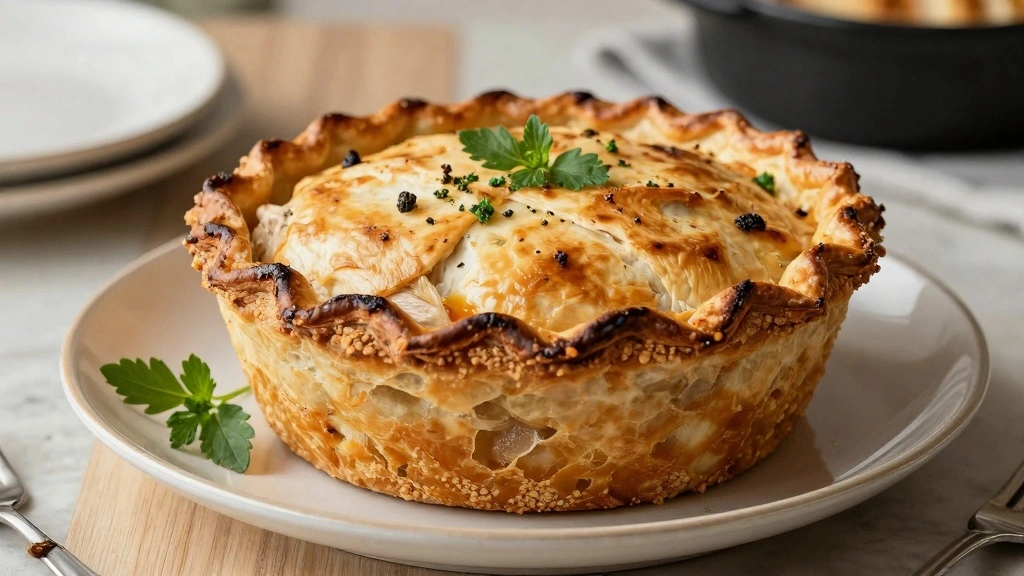
The Sourdough Chicken Pot Pie brings a touch of rustic charm to your dining table, offering a comforting and hearty meal perfect for any season.
With its flaky sourdough crust and savory chicken filling, this dish is a blend of rich flavors and textures.
I first encountered this recipe during a chilly autumn evening, where it served as the perfect antidote to the cold.
Whether enjoyed at a family dinner or a cozy gathering, this pot pie promises warmth and satisfaction.
The combination of sourdough’s tanginess and the creamy filling creates a delightful harmony that will have your guests coming back for seconds.
The History and Cultural Significance
• Sourdough Chicken Pot traces its origins to early European settlers in North America, where it was originally created by pioneers using available ingredients.
• The dish evolved over decades as settlers adapted their recipes to include local produce, eventually becoming the beloved version we know today.
• In American culture, this dish traditionally appears at family gatherings and potluck dinners, symbolizing comfort and togetherness.
• While many variations exist across different regions, the authentic version maintains a sourdough crust that sets it apart from imitations.

【YOUR ALL-INCLUSIVE SOURDOUGH STARTER KIT】Bake Homemade Sourdough with Confidence! This comprehensive set comes with 1 enamel pot with lid, 4 banneton baskets (2 silicone, 2 rattan with linen liner) , 1 silicone prep mat, 1 digital scale, 1 sourdough starter jar, 1 silicone bread sling, 1 bread lame with 5 blades, 1 dough whisk, 1 silicone spatula, 1 silicone brush, 1 stainless steel dough scraper, 1 bowl scraper, 1 flour duster, 4 bread stencils, 1 bread slicer, 5 bread bags, 1 cleaning brush, user manual and sourdough recipe.
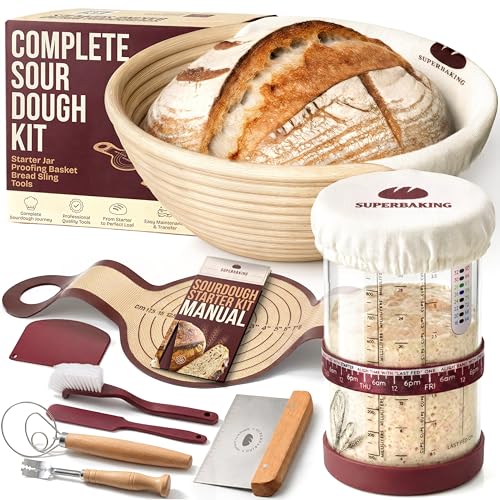
ALL-IN-ONE SOUR DOUGH TOOLS: Includes a basket, jar, sling, whisk and lame. This sourdough kit gathers the essential tools to grow a starter and bake artisan loaves.

🍞THE ULTIMATE SOURDOUGH STARTER KIT HAS IT ALL - This sourdough tools set includes 1 X Dutch Oven Pot With Lid, 1 X Round Bread Proofing Basket (9 Inch) X 1, 1 X Oval Sourdough Proofing Basket (10 Inch), 2 X Linen Liner, 1 X Sourdough Starter Jar, 1 X Silicone Spatula, 1 X Kitchen Scale, 1 X Cooling Rack, 1 X Dough Whisk, 1 X Bread Lame, 5 X Blade with 1 X Blade Cover, 1 X Bowl Scraper, 1 X Stainless Steel Scraper, 1 X Flour Duster, 2 X Silicone Bread Sling, 1 X Cooking Brush, 2 X Bread Stencil, 5 X Bread Bag, 1 X Reusable Bread Bag, and 1 X User Manual. Why buy everything separately when this sourdough kit gives you all the sour dough tools in one box, saving you cash and hassle?
Recipe Overview
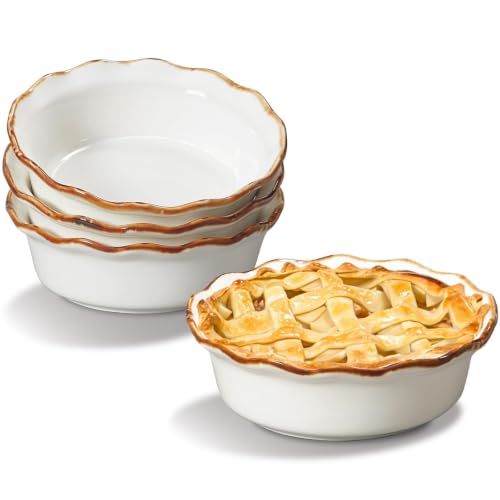
Perfect 6.8 Inch Pie Pan for Baking -- Whether you're making a savory chicken pot pie or a sweet dessert, this ceramic pie dish delivers consistent, even baking. Ideal for deep dish pies and mini tart pans for baking


【Contemporary & Classic】A combination of both classic and contemporary design, this mini pie dish offer unlimited pie baking options. Featuring with ruffled edge, this plate will look good on any table setting. Finishing with a sturdy shining glaze, the pie pan can fit any kitchen style.
Nutritional Information

Solid Wood Construction: This rolling pin is made from solid rubber wood for required durability and long-lasting use. This rolling pin is suitable to sustain every day, heavy-duty use in the home, as well as restaurants.

Say Goodbye to Guesswork - Our adjustable rolling pin is as accurate as they come, thanks to your feedback on each and every detail: It’s got five size options, built-in measurement markers (requested by an impressive 95% of you), and a just-right length, diameter, and handle type. Made from water-resistant teak, it’ll glide right through all kinds of sweet-or-savory dough prep, turning out perfectly-even crusts, pasta, and cookies every time.

Essential Equipment Guide
Rolling Pin: A rolling pin is crucial for evenly rolling out the sourdough crust, ensuring it has the right thickness and texture. Alternatives like a wine bottle can work in a pinch. Look for a non-stick surface to prevent dough from sticking.
Pie Dish: A deep pie dish allows for ample filling and supports the crust structure. If unavailable, a cast-iron skillet can serve as a substitute. Opt for a dish with even heat distribution.
Pastry Brush: A pastry brush is important for applying egg wash to the crust for a golden finish. Silicone brushes are easy to clean. Ensure the bristles are soft to avoid damaging the dough.

FOOD GRADE MATERIALS: This Silicone Basting Brush Set is BPA Free, non-toxic, and lead free with a stainless steel core inside the non-slip handle. Made from premium food grade silicone, the silicone bristles will not break or shed in your food, providing a more hygienic cooking experience
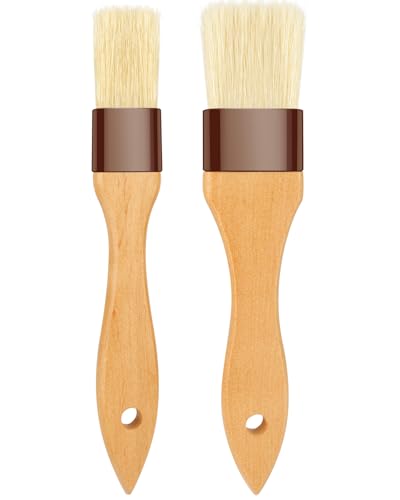
Quality Food Grade Materials: these oil and butter brushes are made of natural boar bristles retaining softness and pliability better than synthetics;Unlike other pastry brushes, the bristles will not break or shed in your food, more healthy
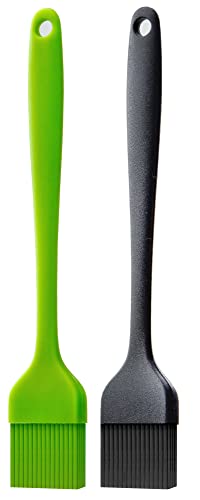
BPA FREE silicone brush.
Ingredients


ESSENTIAL SOURDOUGH BAKING ACCESSORY: Breathable cotton‑linen fabric lets dough breathe for reliable fermentation and proofing. Works perfectly for mixing bowls and proofing baskets – perfect for bread‑making enthusiasts.

Elastic Bowl Covers:The edge of the plastic food cover is a stretchable elastic strap, which makes the bowl cover very easy to use. You only need to gently stretch it along both ends of the bowl cover, and then it can easily cover dishes of different sizes. The elastic cord fits closely with the edge of the dish, protecting the food in the dish
For the Crust
|
|
| Amount | Ingredient | Notes |
|---|---|---|
| 2 cups | sourdough starter | adds tangy flavor |
| 1 cup | all-purpose flour | creates the dough structure |
| 1 teaspoon | salt | enhances flavor |
| 1/2 cup | butter | adds richness and flakiness |
For the Filling
| Amount | Ingredient | Notes |
|---|---|---|
| 2 cups | cooked chicken | shredded for texture |
| 1 cup | chicken broth | provides moisture |
| 1 cup | heavy cream | adds creaminess |
Vegetables
| Amount | Ingredient | Notes |
|---|---|---|
| 1 cup | carrots | chopped, for sweetness |
| 1 cup | peas | adds color and flavor |
Seasonings
| Amount | Ingredient | Notes |
|---|---|---|
| 1 teaspoon | thyme | for aromatic flavor |
| 1 teaspoon | black pepper | adds spice |
| 1 teaspoon | garlic powder | enhances depth of flavor |
Preparation Methods
Kneading Sourdough: Kneading involves working the dough until it's smooth and elastic, which is vital for the right crust texture. It helps develop gluten, giving the dough strength and elasticity. To master it, use the heel of your hand and push the dough away from you, then fold it back and repeat.
Blind Baking: This technique involves pre-baking the crust before adding the filling to prevent sogginess. It's important for ensuring a crisp base. Weigh the crust down with baking beans or rice to keep it flat during baking.
Simmering Filling: Simmering the filling blends flavors and thickens the sauce. It requires low, steady heat to avoid burning. Stir occasionally and watch for the sauce to coat the back of a spoon, indicating proper thickness.

🌟【Complete Pink Baking Set - Everything Included】 Start your sourdough journey with zero hassle! Our all-in-one kit includes essentials & extras: 8.5” Round & 10” Oval Rattan Baskets, Bread Lame with 5 Blades, 10 Bread Bags, Silicone Baking Mat, Bread Sling, Spatula, Brush, Scrapers, Dough Whisk, Starter Jar, Stencils, and a Detailed Manual. No need to buy anything else – just add flour and water!
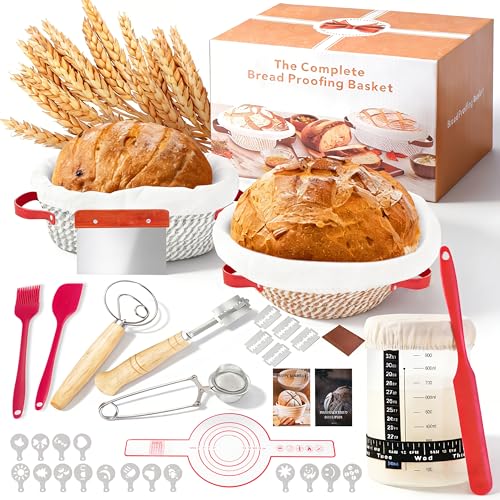
All-in-One Sourdough Baking Kit —This complete sourdough bread making kit includes: Oval and Round Proofing Baskets (each with liner and cover), 30 oz Sourdough Starter Jar Set (with feeding day tracker, thermometer, and spatula), Dough Whisk, Bread Lame Set (1 lame, 5 blades, 1 cover), Flour Duster, Cooking Brush, Bread Stencils, Stainless Steel Scraper, Silicone Bread Sling, Dough Scraper, User Manual, and Sourdough Recipe Book. Everything you need to start baking artisan bread at home.

THE COMPLETE SOURDOUGH KIT: 1*10-Inch round basket,1*10.5-Inch oval basket,1*silicone bread sling,1*fabric bread bag,10*bread paper bags,10*seal stickers,1*stainless steel scraper,1*bowl scraper,4*measuring spoons,1*flour duster,1*manual egg whisk,1*bread lame,5*blades,1*wooden dough whisk,1*wooden flour brush,1*silicone spatula,1*silicone brush,1*sourdough starter jar,6*bread dusting stencil,2*basket proofing,1*instructions
Step 1: Prepare Ingredients
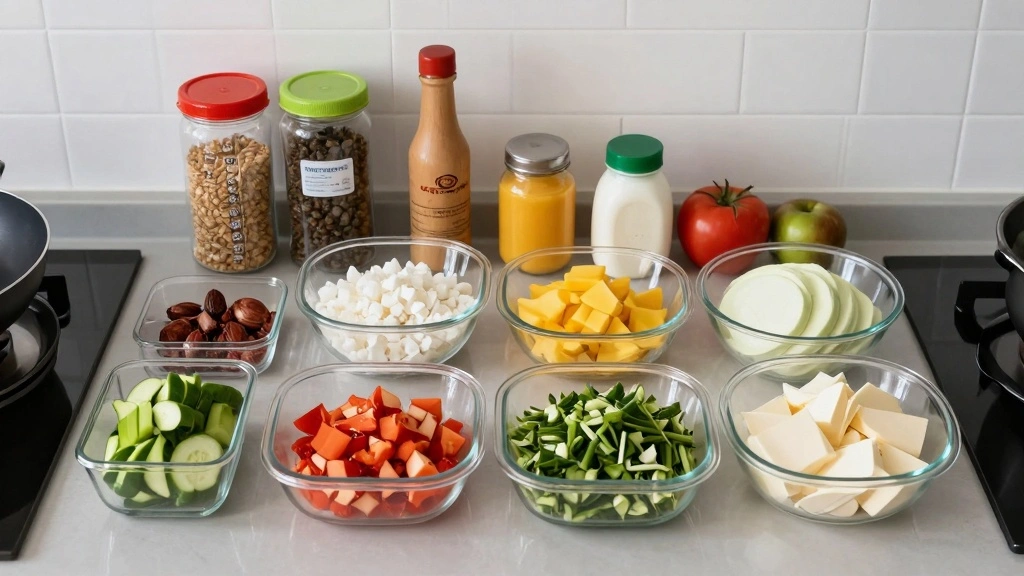
Measure and lay out all ingredients.
Chop vegetables and shred cooked chicken.
Ensure sourdough starter is at room temperature.
Organize ingredients by category for easy access.

Value Pack: You will get 4 packs of ceramic mini pie pans, enough quantity to bake foods for the whole family. Each pie dish measures 6" W x 1.5" H, with a capacity of 10oz, perfect for preparing and serving individual portions of a variety of delicious meals and desserts.
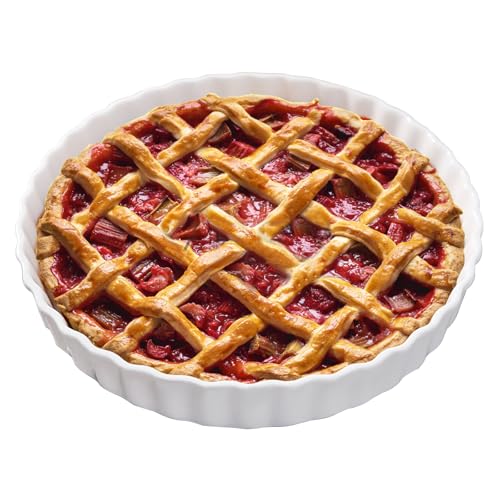
HIGH QUALITY - Sturdy ceramic pie pan made of white glazed porcelain, safe and odor-free

HEAVY-DUTY & DURABLE ALUMINUM TIN FOIL --- With these 100% aluminum foil mini pie tins, we provide top quality and durability. The small pie pans won’t bend or fold in during baking
Step 2: Make the Sourdough Crust
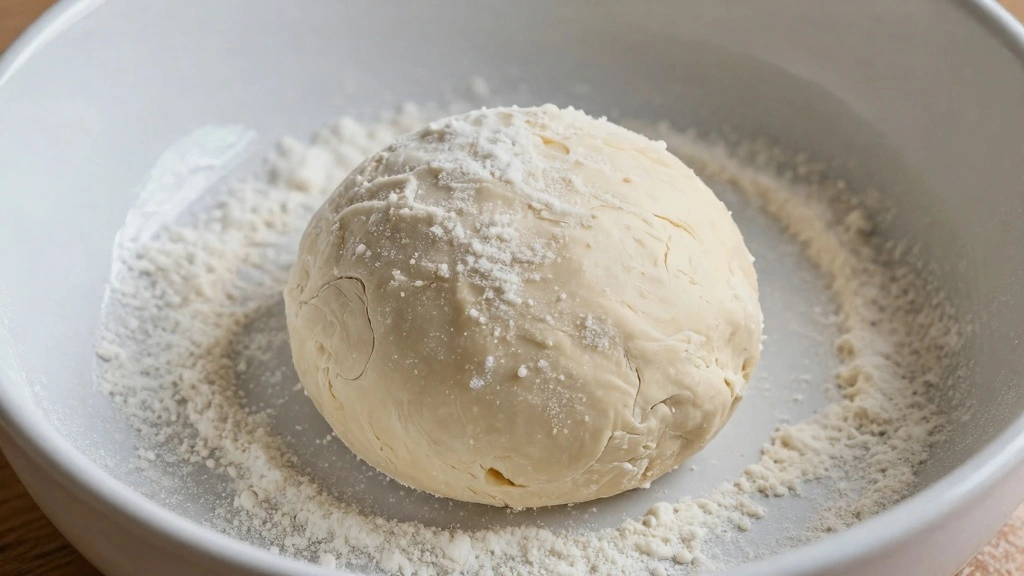
Combine sourdough starter, flour, salt, and butter in a bowl.
Knead the mixture until it forms a smooth dough.
Wrap in plastic wrap and chill for 30 minutes.
Check that the dough is firm yet pliable after chilling.

Mrs. Anderson’s Easy Pie Crust Maker helps roll perfectly round pie crusts in a consistent thickness that bake evenly, all without the floury mess

4 Thickness Adjustments: The rolling pin has 4 removable rings: 1/16, 1/8, 1/4, and 3/8 inches (2mm, 3mm, 6mm, 10mm), helping precisely control dough thickness for easy baking of pancakes, bread, pies, noodles, cookies, etc

PREMIUM HARDWOOD CONSTRUCTION: Built from moisture-resistant hardwood that delivers a smooth, non-dragging rolling surface for consistent results every time; the 10-inch barrel and balanced weight distribution make rolling all types of dough effortless
Step 3: Roll the Dough
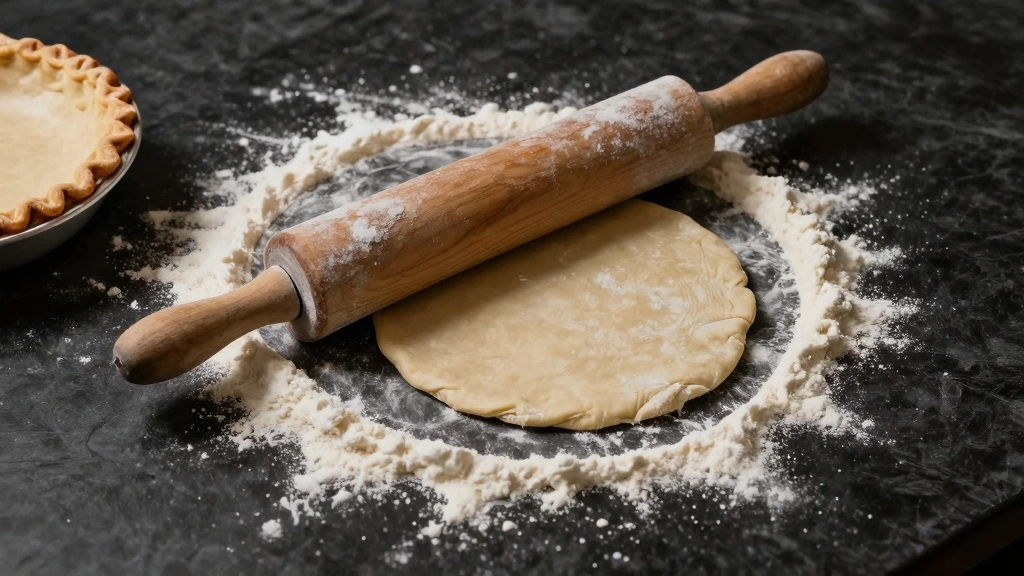
Flour a clean surface and place the chilled dough on it.
Use a rolling pin to roll out the dough to fit your pie dish.
Ensure an even thickness across the dough.
Transfer the dough to the pie dish, pressing gently to fit.

King Arthur Baking Company Professional Pastry Brush: gently coats crusts, pastries, and breads with butter, egg wash, water, glaze, and more without dragging or misshaping the dough; ideal for everyday recipe prep and finishing holiday baking and effective as a natural boar bristle pastry brush for baking

Safe for nonstick cookware

Unique bristle design won’t retain odors or clump during cleaning
Step 4: Blind Bake the Crust
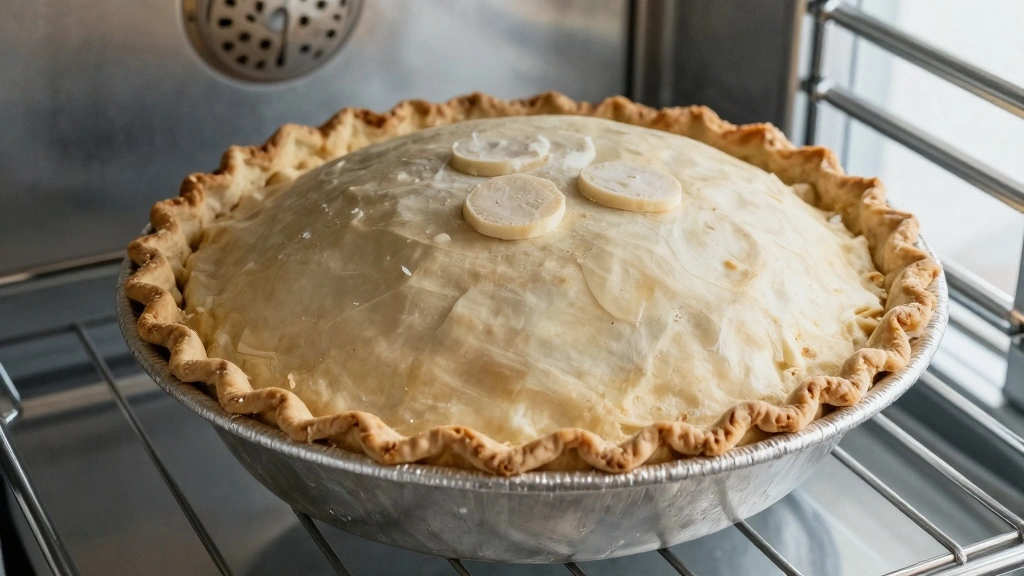
Preheat the oven to 375°F (190°C).
Line the dough with parchment paper and fill with baking weights.
Bake for 15 minutes to set the crust.
Remove weights and paper, then bake for another 5 minutes.

The All-in-One sour dough starter kits for Beginners: Never worry about missing tools again. As a beginners starting your sourdough journey. Our sourdough tools set has every tool you need for homemade bread making, including a 10L x 5.7W x 3.5H inches oval and a 9L x 9W x 3H inches round rattan bread proofing basket, dough cutter, bread lame with 5 blades, bowl scraper, silicone brush, dough whisk, 2 pcs linen covers, user manual & recipes which can help you archive better proofing, cleaner scoring, beautiful loaves. Each basket can hold up to 2 pounds of bread dough. It seamlessly supports your entire sourdough journey.

What You Get: 1 9-inch round banneton bread proofing basket , 1 10-inch oval proofing basket, 2 liners, a bread lame (with 5 blades) for precise control and beautiful patterns, a dough scraper and bowl scraper for dough manipulation, a dough whisk for thorough mixing, a cleaning brush for flour dusting.

Constant-Temperature Fermentation: Specifically designed for sourdough proofing. The electric temperature control system offers 6 preset temperature settings (25°C - 50°C / 77°F - 122°F) and 7 timer settings (0-6 hours), creating an ideal proofing environment unaffected by seasonal changes or room temperature.
Step 5: Prepare the Filling
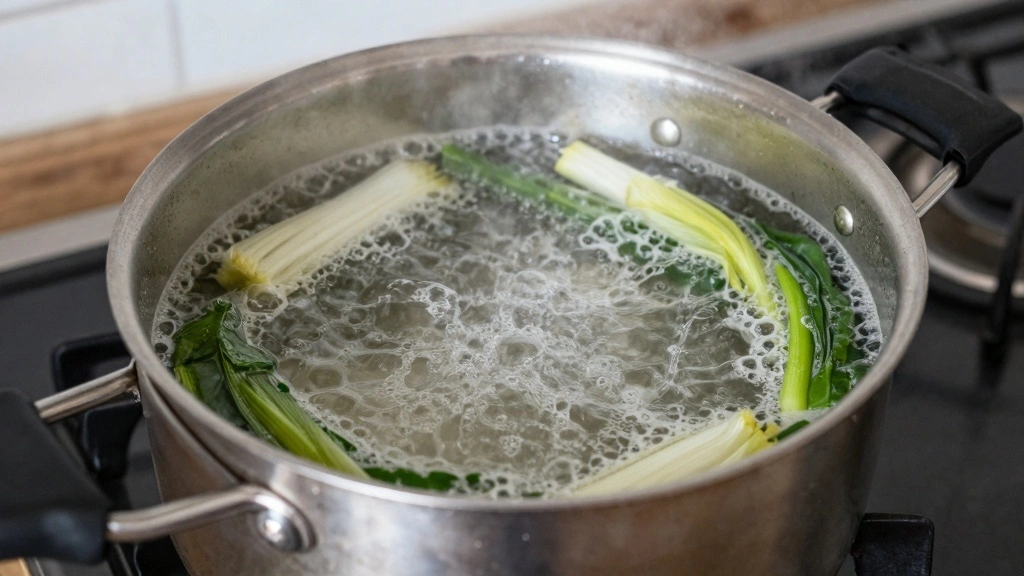
In a saucepan, combine chicken broth, cream, thyme, and garlic powder.
Add carrots and peas, then bring to a simmer.
Cook until vegetables are tender, about 10 minutes.
Stir occasionally to prevent sticking.
Step 6: Assemble the Pie
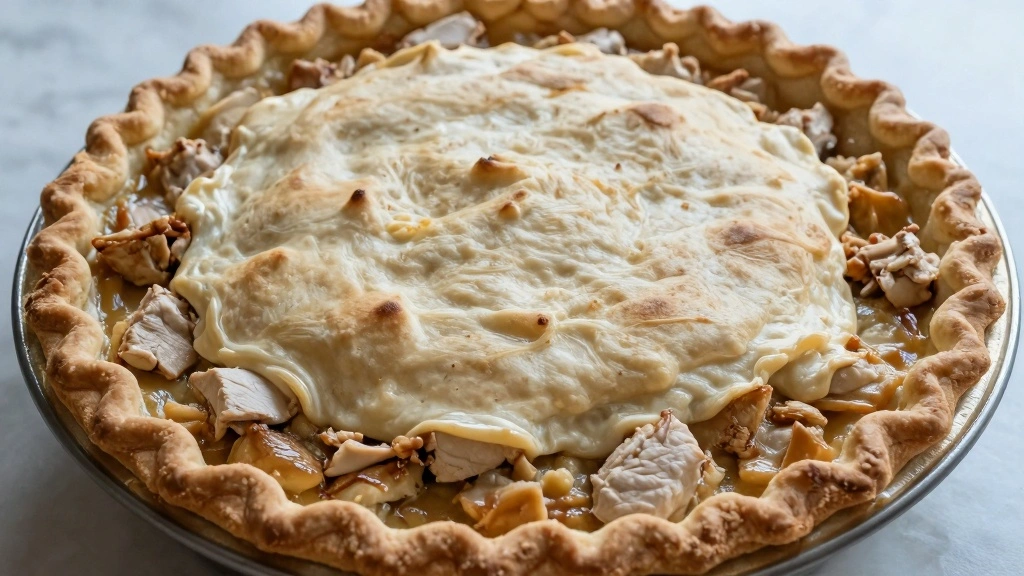
Pour filling into the pre-baked crust.
Spread shredded chicken evenly over the top.
Season with black pepper and additional thyme if desired.
Ensure filling is level and well-mixed.
Step 7: Add the Top Crust
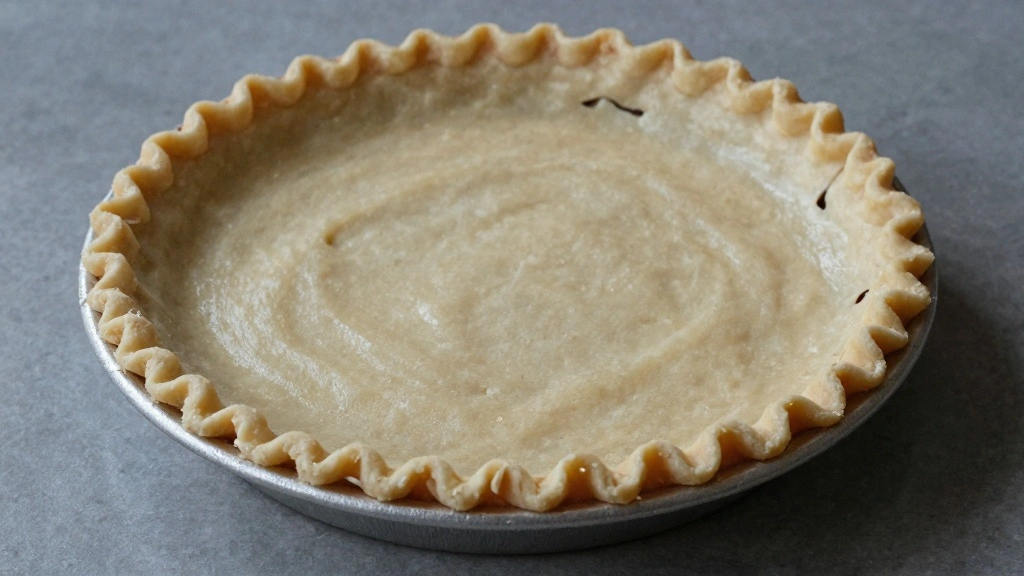
Roll out remaining dough to create a top crust.
Place over the filling and trim excess edges.
Seal edges by crimping with a fork or your fingers.
Cut slits in the top for steam to escape.
Step 8: Bake the Pie
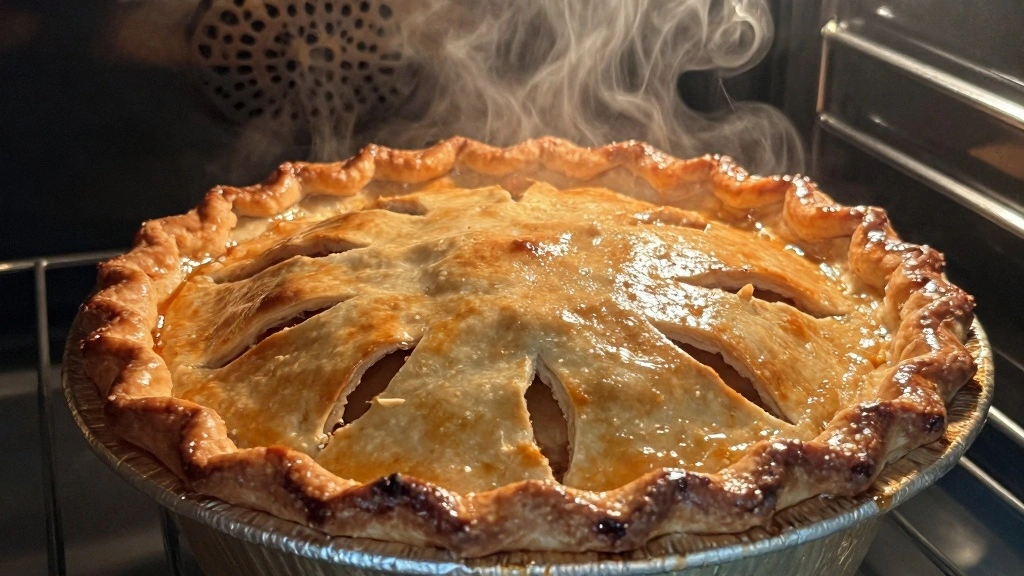
Preheat oven to 400°F (200°C).
Brush top crust with egg wash for shine.
Bake for 35-40 minutes until golden brown.
Look for bubbling filling and a crisp crust.
Step 9: Cool and Serve
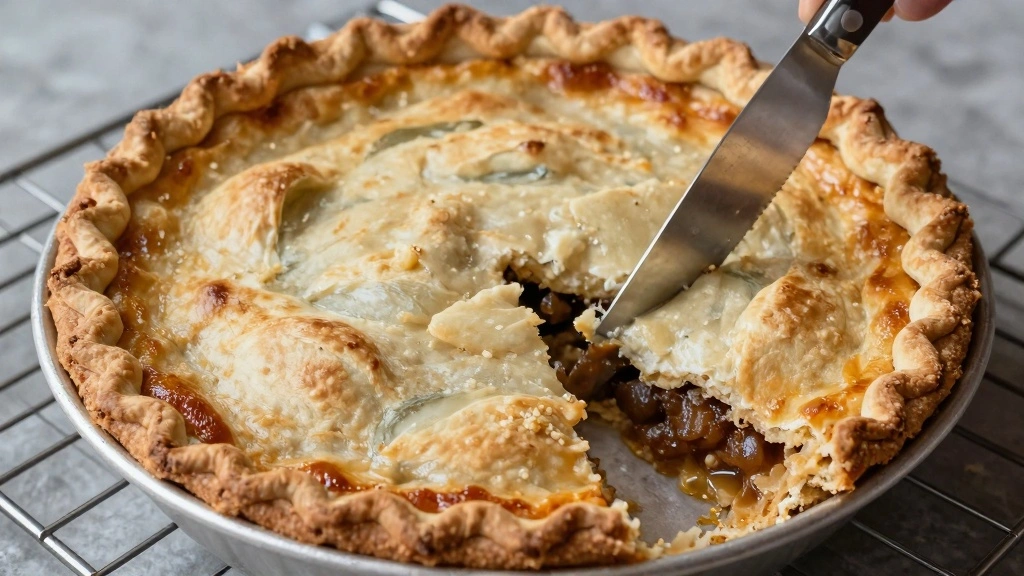
Remove pie from oven and let cool for 10 minutes.
This allows filling to set for easier serving.
Cut into slices with a sharp knife.
Serve warm with a side of fresh salad.
Critical Timing and Temperature Guide
Baking the Crust: Bake at 375°F for initial blind baking, then 400°F for final bake. Look for golden edges and a dry bottom crust. Avoid under-baking, which leads to sogginess.
Simmering the Filling: Simmer filling ingredients on low heat for 10-15 minutes. Ensure vegetables are soft but not mushy. Overcooking can lead to a loss of vibrant color.
Final Baking: Bake completed pie at 400°F for 35-40 minutes. Crust should be golden and filling bubbling. Avoid opening the oven frequently, which can lower temperature and affect cooking.
Pro Tips for Sourdough Chicken Pot
• Ingredient Selection: Choose high-quality chicken and fresh vegetables for the best flavor. Organic or free-range chicken can enhance the dish's taste significantly.
• Preparation Secret: Allow the sourdough starter to develop overnight for a deeper flavor and better rise.
• Temperature Management: Keep all pastry ingredients cold for maximum flakiness of the crust.
• Texture Enhancement: Blind baking the crust is crucial for a non-soggy base. Ensure weights are evenly distributed.
• Flavor Layering: Use fresh thyme and garlic powder to build aromatic layers in the filling. Adjust seasoning to taste.
• Make-Ahead Strategies: Prepare filling a day ahead and store in the refrigerator. Reheat gently before assembling the pie.
• Restaurant-Quality Finishing Touches: Brush the top crust with egg wash and sprinkle sea salt for a professional finish.
• Equipment Optimization: Use a convection oven setting if available for even browning and crispy crust.
Troubleshooting Common Issues
• Crust Too Hard: This can result from over-kneading or using too much flour. Recognize by a dense texture. Remedy by handling dough minimally and using precise measurements.
• Filling Too Runny: Caused by insufficient thickening or too much liquid. Recognize by a watery consistency. Fix by simmering longer or adding a cornstarch slurry.
• Bland Flavor: Insufficient seasoning can lead to this. Taste filling before assembly. Remedy by adjusting spices and herbs to taste.
• Soggy Bottom: Can occur if the crust isn't blind baked properly. Check by feeling the bottom crust. Prevent by ensuring an even blind bake with weights.
• Uneven Baking: Caused by improper oven calibration or overcrowding. Recognize by uneven browning. Remedy by checking oven temperature and ensuring proper rack positioning.
• Crust Shrinking: Overworking dough can cause this. Recognize by crust pulling from edges. Prevent by resting dough after rolling and before baking.
Variations and Regional Differences
• Southern Style: This version incorporates corn and okra in the filling, offering a unique texture and Southern flair. It often uses buttermilk in the crust for added tang.
• French Influence: Known as 'Pot-au-Feu', this variation includes leeks, and uses a wine-based sauce, reflecting the classic French approach to pot pies.
• Italian Twist: Incorporates ingredients like sun-dried tomatoes and basil in the filling, with a parmesan-infused crust, offering a Mediterranean flavor profile.
• Asian Fusion: Features soy sauce, ginger, and bok choy, blending traditional pot pie elements with Asian flavors for a distinct tasting experience.
Food Science Behind the Recipe
• Gluten Development: Understanding gluten formation helps achieve the right dough texture. It's formed by kneading, which aligns proteins for elasticity.
• Maillard Reaction: This browning process contributes to the crust's flavor and color. It's achieved through high oven temperatures and proper sugar content.
• Emulsification: The combination of cream and broth in the filling relies on emulsification for a smooth, cohesive sauce. Proper simmering helps maintain this balance.
• Heat Transfer: Knowing how heat transfers in baking can help achieve even cooking. Convection ovens enhance this by circulating hot air.
Frequently Asked Questions
What's the most common mistake people make when preparing Sourdough Chicken Pot Pie? Overworking the dough is a frequent error, leading to a tough crust. Handle dough gently and chill adequately.
Can I use a store-bought crust? Yes, but homemade sourdough crust offers superior flavor and texture.
How do I store leftovers? Store in an airtight container in the refrigerator for up to 3 days. Reheat in the oven for best results.
Can I freeze the pie? Yes, assemble and freeze before baking. Thaw overnight in the fridge before baking.
Is it possible to make it vegetarian? Substitute chicken with mushrooms or a meat substitute and use vegetable broth.
What if my filling is too thick? Thin with a bit of milk or additional broth to desired consistency.
How can I ensure my pie isn't too runny? Simmer the filling until it coats the back of a spoon and avoid overloading with liquid ingredients.
Serving and Presentation Guide
• Traditional Presentation: Serve in the pie dish straight from the oven, with a rustic, homey feel.
• Individual Servings: Bake in ramekins for personal-sized pot pies, perfect for portion control and elegant presentation.
• Family Style: Slice and serve on a large platter, allowing guests to help themselves.
• Garnished Elegance: Top with fresh herbs like thyme or parsley for a touch of color and freshness.
Conclusion

Embark on a culinary journey with this Sourdough Chicken Pot Pie and experience the comfort of traditional flavors.
The combination of a tangy sourdough crust with a savory filling makes for an unforgettable meal.
By following these expert tips and instructions, you're sure to impress your family and friends.
Try this recipe today and bring warmth and satisfaction to your dining table.