
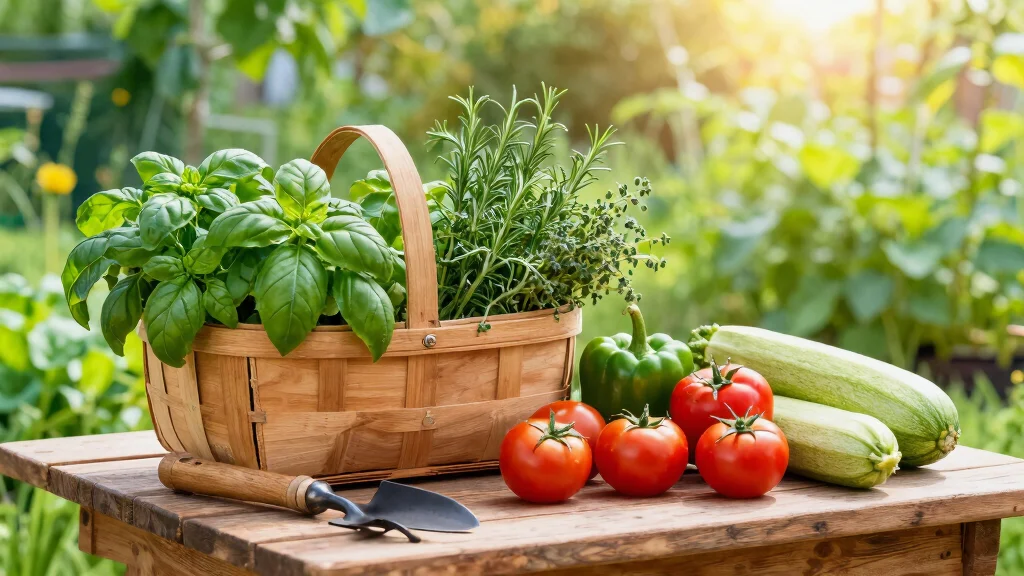
Gardening brings so much joy, especially when you can whip up delicious meals using your own fresh produce. With the right planning and a bit of creativity, you can transform simple ingredients from your vegetable garden into mouthwatering dishes. This is why I created this post: to inspire you with 15 grow a garden recipes that are not only easy to make but will also elevate your culinary game.
If you’re someone who loves cooking with fresh herbs or exploring backyard gardening, you’re in for a treat. Whether you’re just starting your garden or are a seasoned grower, these recipes will show you how to make the most of your seasonal produce. I pulled together a variety of ideas that are flavorful, vibrant, and perfect for sharing with friends and family during those sunny days ahead.
Get ready to dive into a world of herb-infused garden recipes that will bring the taste of summer right to your table. From refreshing drinks to hearty meals, you’ll find dishes that celebrate what it means to eat fresh and local. Let’s explore these delicious recipes together and discover how to make your garden work for you!
Key Takeaways
– Discover 15 unique recipes that utilize fresh herbs and vegetables from your garden, perfect for any meal.
– Learn how to enhance your cooking with seasonal produce dishes that are easy to prepare.
– Find tips on how to grow and care for herbs to elevate your home cooking experience.
– Explore farm-to-table meals that not only taste great but also connect you with your garden.
– Get practical advice on making the most of your backyard gardening efforts, ensuring a bountiful harvest.
1. Basil Pesto

Craving something vibrant and flavorful? Basil pesto is a delightful Italian sauce that brings fresh herbs to your plate. With its nutty richness and aromatic garlic, it’s perfect for pasta, sandwiches, or even drizzled over grilled vegetables. Plus, it’s packed with nutrients, making it a delicious way to enjoy your garden-fresh herbs.
Ingredients:
– 2 cups fresh basil leaves
– 2 cloves garlic, minced
– 1/3 cup pine nuts
– 1/2 cup Parmesan cheese, grated
– 1/2 cup extra-virgin olive oil
– Salt and pepper to taste
Instructions:
1. In a food processor, combine basil, garlic, and pine nuts. Pulse until coarsely chopped.
2. Add Parmesan cheese and pulse again until mixed.
3. With the processor running, slowly drizzle in the olive oil until emulsified.
4. Season with salt and pepper to taste.
5. Store in an airtight container in the fridge for up to a week.
FAQs:
– Can I use other nuts? Yes! Walnuts or almonds can work well.
– Can I make it vegan? Substitute nutritional yeast for cheese for a dairy-free version.


Organic Italian Pesto: Made only with certified organic ingredients, it is packed with authentic basil flavor and rich, creamy texture.

One 8 ounce jar of Basil Pesto
2. Mint-Lemonade

Nothing refreshes like a cool glass of mint lemonade on a hot day! This drink bursts with flavor and is a breeze to prepare. The combination of fresh mint and tangy lemons makes it a thirst quencher you’ll love to sip on all summer long.
Ingredients:
– 1 cup fresh mint leaves
– 1 cup sugar
– 1 cup freshly squeezed lemon juice
– 4 cups water
– Lemon slices and mint for garnish
Instructions:
1. In a pitcher, muddle the mint leaves with sugar until fragrant.
2. Add the lemon juice and water, stirring until the sugar dissolves.
3. Chill in the fridge for at least 30 minutes.
4. Serve over ice and garnish with lemon slices and mint sprigs.
FAQs:
– Can I use bottled lemon juice? Fresh is best for the best flavor!
– How long can I store it? Enjoy it fresh, but it can stay in the fridge for up to 2 days.
Grow a Garden Recipes mindset shines with mint lemonade: harvest fresh mint, squeeze lemons, and you’ve got a bright, cooling drink in minutes. Pro tip: muddle gently, add ice, and swap sugar for honey to tailor sweetness—perfect for grow a garden recipes in action.

HERB GARDENING ESSENTIAL: Stainless steel blade plant shears with sheath ideal for harvesting herbs outdoors or with a window herb garden for kitchen; encourages overall lawn and garden health, or perfect gift to go with any indoor herb garden kit

GARDENING ESSENTIAL: With these stainless steel blade gardening shears, pruning tasks like cutting flower stems or maintaining your herb garden are easier with fast and clean cuts

Well-Designed & Easy-to-Use: These gardening scissors are built spring-loaded so that they automatically push themselves open without you having to do the work, significantly reducing hand fatigue
How To Choose Fresh Herbs for Your Garden Recipes
Choosing the right fresh herbs for your garden recipes can elevate your dishes and enhance flavors. Whether you are cooking up a storm in your kitchen or preparing a lovely outdoor dinner, the right herbs can make all the difference. Here’s a guide to help you select the best fresh herbs for your cooking needs.
1. Consider Your Cooking Style
Think about the types of recipes you frequently prepare. If you love Italian food, herbs like basil and oregano are essential. For Asian dishes, cilantro and mint will come in handy. Knowing your cooking style helps you select herbs that you’ll actually use.
2. Understand Growing Conditions
Different herbs require different growing conditions. Some thrive in full sun, like rosemary and thyme, while others prefer partial shade, such as mint. Check your garden’s sunlight and soil type to ensure your herbs will flourish. This can save you time and effort in the long run.
3. Choose Seasonal Herbs
Seasonal herbs not only taste better, but they are also easier to grow. For example, basil is best planted in late spring and summer, while thyme and rosemary can withstand cooler temperatures. Learning about seasonal herbs can help you plan your gardening schedule effectively.
4. Check for Disease Resistance
When selecting herb plants, look for varieties known for being disease resistant. This will ensure healthier plants and a more bountiful harvest. Ask your local nursery about the best options for your area, or research online to find robust varieties.
5. Harvesting Potential
Some herbs are more prolific than others. For instance, basil and parsley can be harvested regularly, which means more fresh ingredients for your kitchen. Choose herbs that will give you a continuous supply throughout the growing season, so you can enjoy fresh flavors without much fuss.
6. Aesthetic Appeal
Consider how the herbs will look in your garden. Some herbs, like lavender and chives, offer beautiful blooms and foliage that enhance your garden’s visual appeal. Mixing colors and textures not only makes your garden attractive but also can be a conversation starter when you entertain guests.
Pro Tip: Start with a small selection of herbs. This way, you can manage your garden easily and focus on growing those that you know you will use in your recipes. As you gain confidence, you can expand your herb collection!
By following these tips, you’ll be well on your way to selecting the perfect herbs for your garden. These fresh ingredients will not only enhance your recipes but will also provide a rewarding gardening experience. Enjoy the process and happy cooking!

NON-ALCOHOLIC MOJITO MINT SYRUP: Delight in the Torani syrup infused with the sweet rum and cool mint flavors of the iconic Cuban cocktail—perfect for freshening up sparkling water, iced tea, or any drink calling for a vibrant twist.

GUILT-FREE FLAVOR: Enjoy fresh, satisfying flavor without added sugar, calories, or carbs. Jordan’s Skinny Mixes Sugar Free Syrup adds smooth sweetness to any delicious drink anytime.
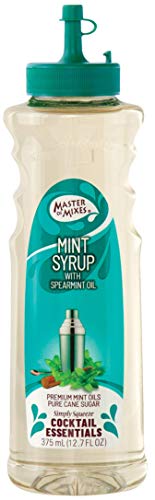
Made from Pacific Northwest Spearmint
3. Rosemary Chicken Skewers
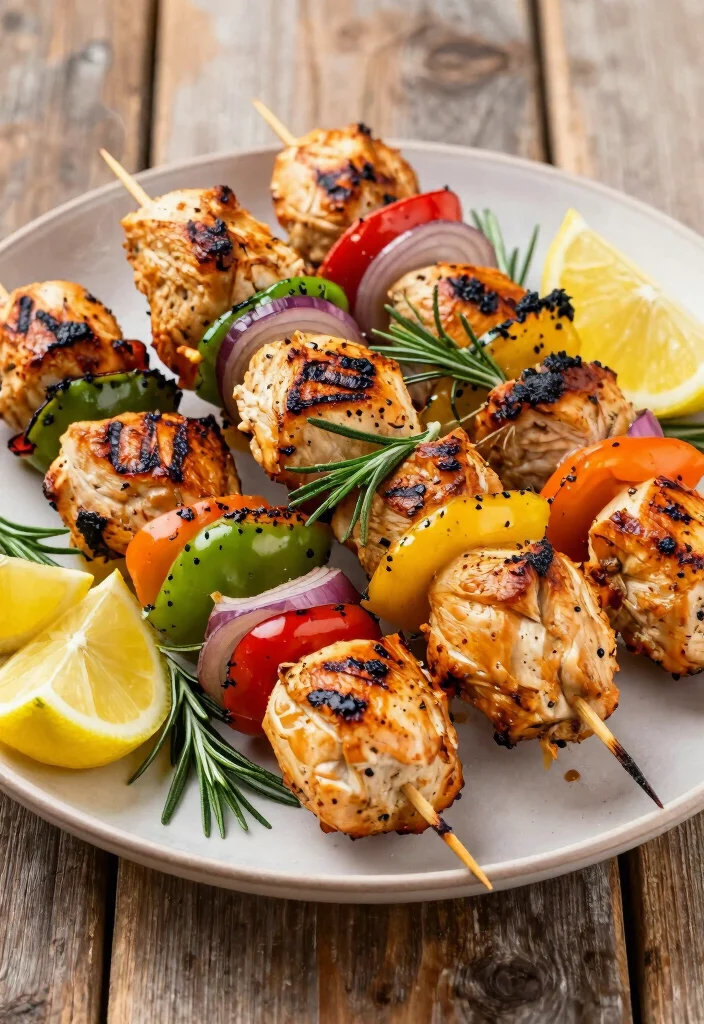
Get ready to fire up the grill with these rosemary chicken skewers! They’re not just easy to prepare, they also fill the air with an irresistible aroma as they cook. Perfectly seasoned chicken paired with colorful veggies makes for a delightful summer meal.
Ingredients:
– 1 lb boneless chicken breast, cut into cubes
– 2 tablespoons olive oil
– 2 cloves garlic, minced
– 2 tablespoons fresh rosemary, chopped
– Salt and pepper to taste
– Bell peppers and onions, cut into chunks
Instructions:
1. In a bowl, mix olive oil, garlic, rosemary, salt, and pepper.
2. Add chicken, coating well, and marinate for at least 1 hour.
3. Preheat your grill to medium heat.
4. Thread chicken and veggies onto skewers.
5. Grill for about 15 minutes, turning occasionally until fully cooked.
FAQs:
– Can I use other meats? Absolutely! These skewers are great with pork or shrimp too.
– How do I know when the chicken is done? A meat thermometer should read 165°F for safety.

15 Herb Seeds Variety Pack – 4,300 Seeds Included: Start your own herb garden with this all-in-one heirloom herbs seeds kit. Includes Genovese Basil, Sweet Basil, Italian Oregano, Rosemary, Thyme, Cilantro, Dill, Mint, Sage, Lavender, Chives, Garlic Chives, Parsley, Chervil, and Scallions. Each herb seed packet is USA-sourced and tested for high germination. Grow these herb garden seeds in your backyard, windowsill, raised beds, or pots for fresh flavors all season long.

Includes 30 Different Varieties! 30 Packs of Seeds!

4. Thyme-Infused Vegetable Medley
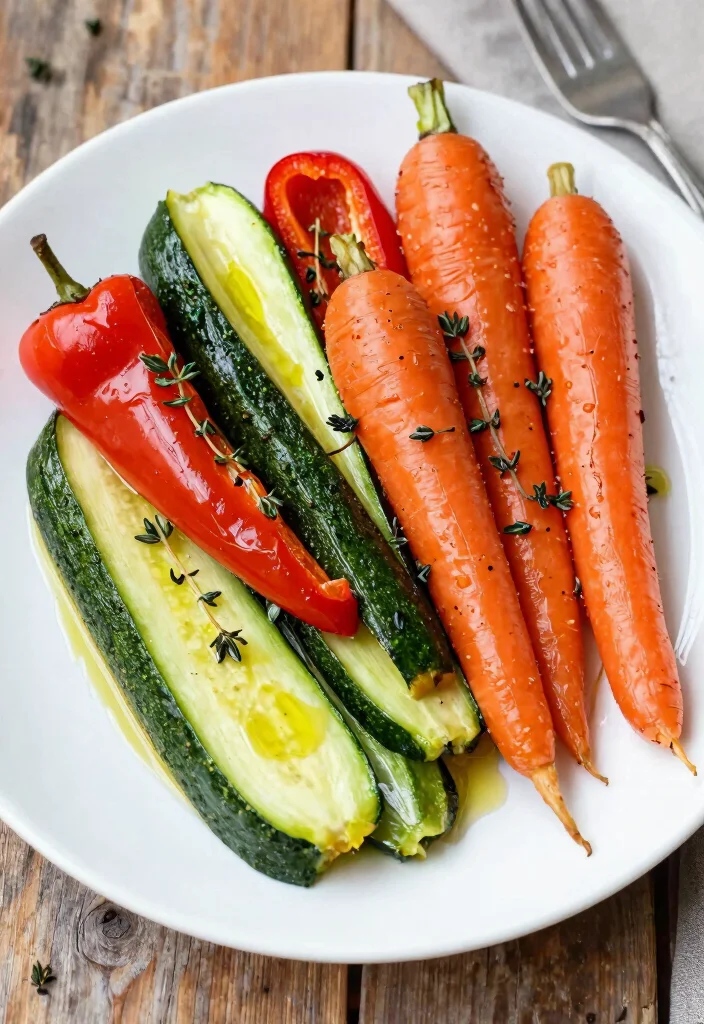
Looking for a colorful side dish to brighten your meal? A thyme-infused vegetable medley is not only easy to make, it also showcases the best of seasonal produce. Roasting brings out the natural sweetness of veggies, enhanced by aromatic thyme for a delicious flavor boost.
Ingredients:
– 2 cups assorted vegetables (zucchini, bell peppers, carrots)
– 2 tablespoons olive oil
– 2 cloves garlic, minced
– 1 tablespoon fresh thyme, chopped
– Salt and pepper to taste
Instructions:
1. Preheat the oven to 425°F (220°C).
2. In a bowl, combine the vegetables, olive oil, garlic, thyme, salt, and pepper. Toss until evenly coated.
3. Spread the mixture on a baking sheet in a single layer.
4. Roast for 25 minutes, stirring halfway through, until tender and lightly browned.
5. Serve warm as a side dish or over grains for a complete meal.
FAQs:
– Can I use dried thyme? Yes, but fresh thyme has a more vibrant flavor.
– What dishes pair well with this medley? It complements grilled chicken, steak, or fish beautifully.

HERB GROWING KIT: This all-inclusive kit comes with 5 planter bags, 5 plant markers, 5 soil disks, 1 mini shears, and 1 planting guide. Designed for simplicity, it's perfect for beginners looking to start their own indoor garden.

🌿【Complete 9-Herb Starter Kit】- Everything you need to grow a thriving indoor garden! Includes premium seeds (Basil, Rosemary, Thyme, etc.), 9 biodegradable pots, nutrient-rich soil discs, pruning shears, and markers—ready to plant instantly.

Complete All-In-One Kit - No need to buy separate supplies. This herb starter set comes with 4 plastic planter pots, 4 soil discs, 4 plant markers 4 heirloom herb seed packets, and essential planting tools—everything you need to start your indoor herb garden immediately.
5. Cilantro Lime Rice
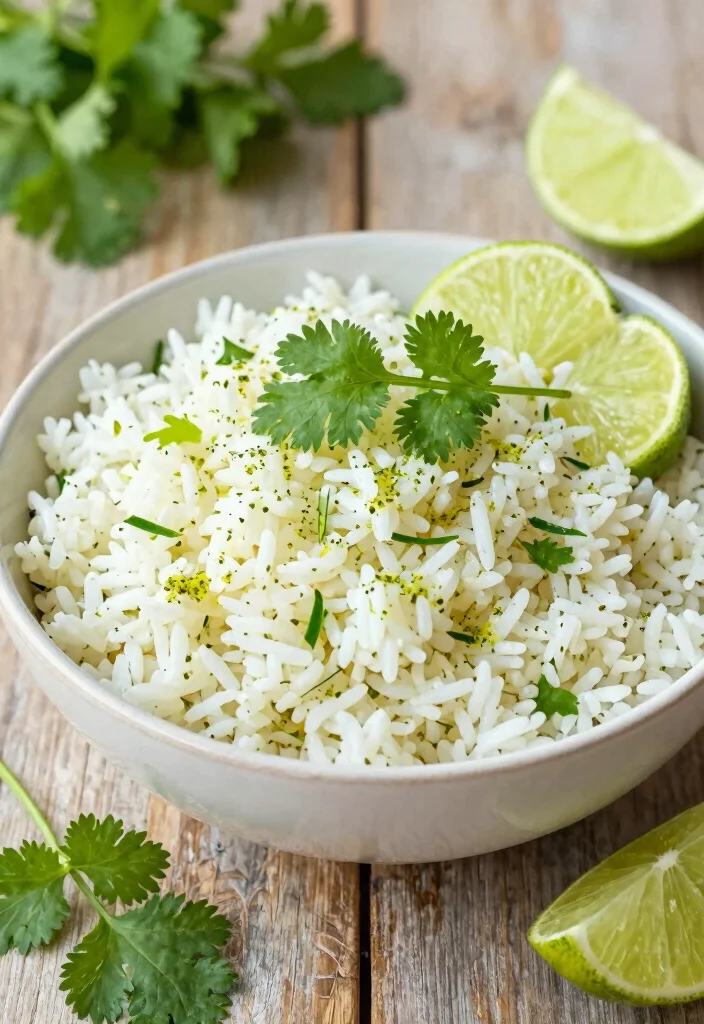
Cilantro lime rice is a zesty side dish that adds a burst of flavor to your meals. The fresh cilantro combined with tangy lime elevates plain rice into something special. It’s a simple yet refreshing addition to any plate, especially with Mexican-inspired dishes.
Ingredients:
– 1 cup uncooked rice
– 2 cups water or broth
– 1/4 cup fresh cilantro, chopped
– Juice and zest of 1 lime
– Salt to taste
Instructions:
1. Rinse the rice under cold water.
2. In a pot, combine rice and water (or broth) and bring to a boil.
3. Once boiling, reduce heat, cover, and simmer for 15-18 minutes until rice is cooked.
4. Remove from heat and let it sit covered for 5 minutes.
5. Fluff rice with a fork, then stir in cilantro, lime juice, lime zest, and salt.
FAQs:
– Can I use brown rice? Yes, just adjust the cooking time accordingly.
– How long can I store leftovers? In an airtight container in the fridge for up to 3 days.

Amore Paste, Pesto

Authentic Flavor, Family-Owned Tradition: Christopher Ranch Gourmet Pesto Sauce captures the true taste of Gilroy, California - the garlic capital of the world; With a heritage spanning over six decades, our family-owned business brings you a basil pesto sauce made with carefully selected ingredients, ensuring every jar delivers bold and rich flavors

6. Chive Cream Cheese Spread
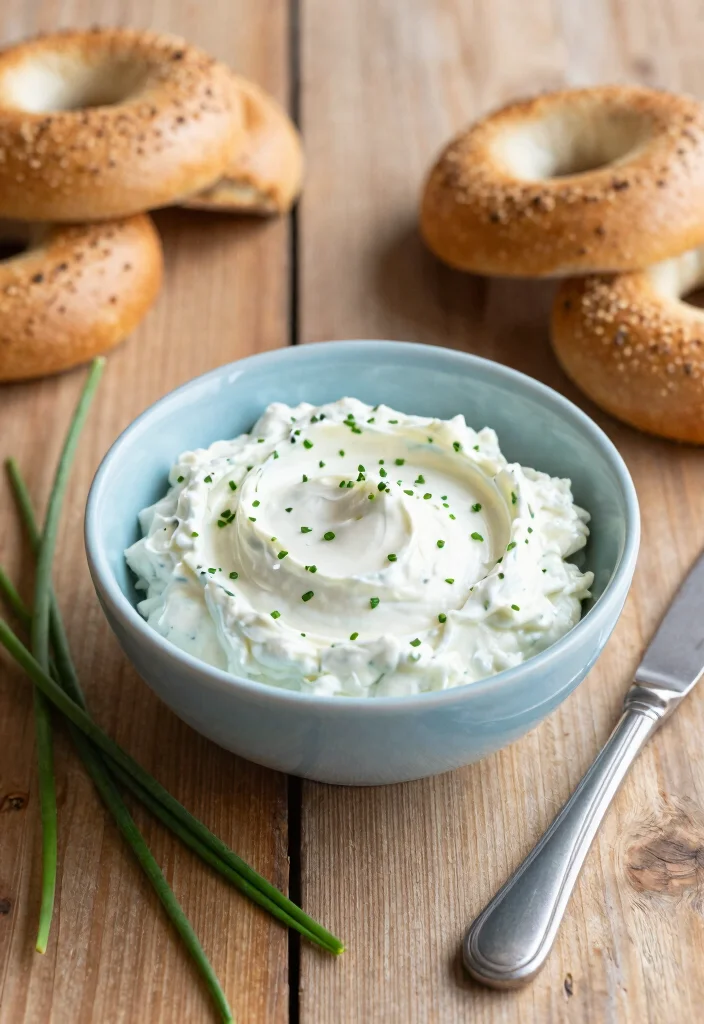
Chive cream cheese spread is a delightful way to enhance your breakfast or snack time. This creamy, herb-infused spread is perfect on bagels, crackers, or with fresh veggies. With just a few ingredients, you can whip up a rich and flavorful treat in no time.
Ingredients:
– 8 oz cream cheese, softened
– 1/4 cup fresh chives, chopped
– 1/2 teaspoon garlic powder
– 1 tablespoon lemon juice
– Salt and pepper to taste
Instructions:
1. In a mixing bowl, combine the cream cheese, chives, garlic powder, lemon juice, salt, and pepper.
2. Mix until well combined and smooth.
3. Transfer to a serving bowl or container and refrigerate until ready to use.
FAQs:
– How long does it last in the fridge? Up to one week in an airtight container.
– Can I freeze it? It’s best enjoyed fresh but can be frozen for up to a month.
For any fan of grow a garden recipes, this chive cream cheese spread is a game changer. Whip it up in minutes, spread on bagels, and taste how garden-fresh herbs wake up breakfast. Creamy, simple, and ready fast, it proves simple garden goodness beats store-bought any day.

Precise Cutting: Pruning Shears are best scissors for delicate trimming plants. The pointed tips help reach into areas where the traditional pruners have trouble, to snip at thin shoots and growth. This makes them perfect for precise pruning tasks that require a delicate touch.

GARDENING ESSENTIAL: Steel blade micro-tip plant shears with sheath ideal for pruning flowers, herbs, and more to encourage overall lawn and garden health

Reduce Hand Strain: These micro tip snips are made to reduces hand fatigue which makes them great for those with arthritis, carpal tunnel, hand or wrist issues; Comfortable “grip” handles will make it easy to work for long-time use without making you feel hand pain
7. Lavender Lemon Bars

Elevate your dessert game with lavender lemon bars! This unique treat combines the tartness of lemon with a hint of floral lavender, creating a refreshingly delightful experience. Ideal for summer gatherings, these bars are sure to impress your guests.
Ingredients:
– 1 cup unsalted butter, softened
– 1 cup sugar
– 2 cups flour
– 4 eggs
– 1 cup lemon juice
– 2 tablespoons dried lavender
– Powdered sugar for dusting
Instructions:
1. Preheat the oven to 350°F (175°C).
2. In a bowl, cream together butter and sugar until smooth.
3. Gradually add flour to form a dough and press it into a greased baking dish.
4. Bake for 15 minutes.
5. In another bowl, whisk together eggs, lemon juice, and lavender. Pour over the crust and bake for an additional 20 minutes.
6. Let it cool, then dust with powdered sugar before serving.
FAQs:
– Can I use fresh lavender? Yes, but use sparingly as it’s stronger than dried.
– What should I serve them with? Pair with tea or lemonade for a perfect match.

LEMON SYRUP: Delight in the Torani syrup infused with the tart and juicy flavors of everyone's favorite bright yellow citrus fruit—perfect for freshening up sparkling water, iced tea, or any drink calling for a vibrant twist.

Product Type:Syrup

[Infusing Flavor] Our own pure cane Simple Syrup is infused with fresh California Meyer Lemon juice and peel, creating an authentic luscious sweet Meyer Lemon flavor like no other to smoothly blend into your citrus recipes.
8. Oregano Tomato Salad
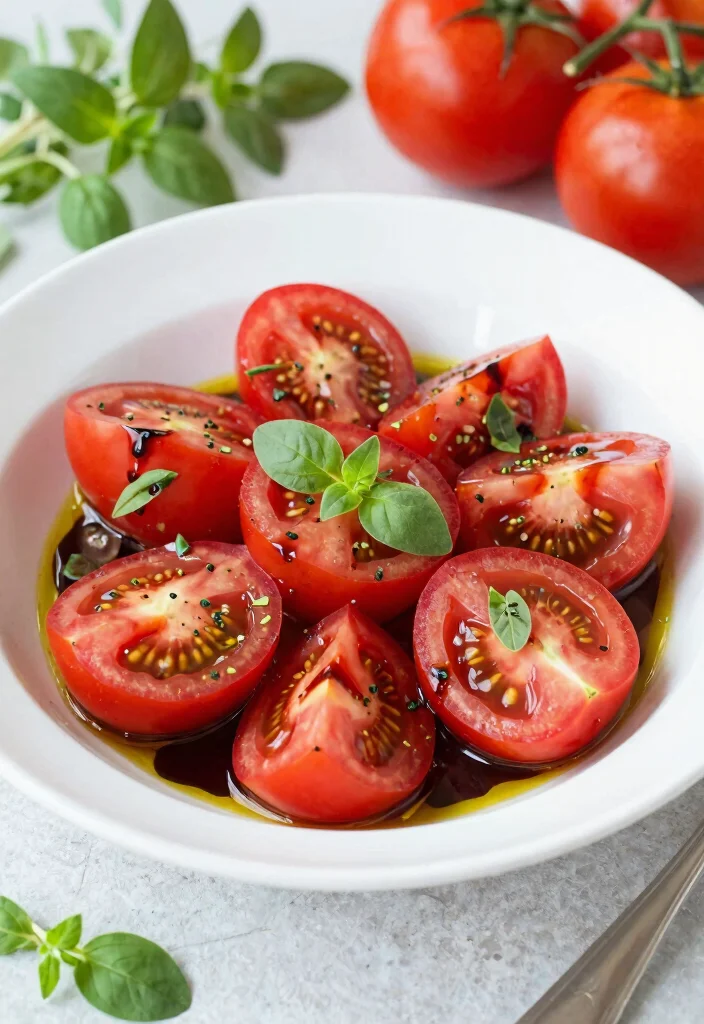
Oregano tomato salad is a fresh and vibrant dish that highlights the sweetness of ripe tomatoes. With the earthy flavor of oregano, this salad makes a perfect side for grilled meats or a light lunch. It’s quick to prepare and bursting with flavor, making it a must-try!
Ingredients:
– 4 large ripe tomatoes, chopped
– 1/4 cup olive oil
– 1 tablespoon fresh oregano, chopped
– 1 tablespoon balsamic vinegar
– Salt and pepper to taste
– Optional: crumbled feta cheese or olives
Instructions:
1. In a large mixing bowl, combine the tomatoes, olive oil, oregano, balsamic vinegar, salt, and pepper.
2. Toss gently to coat the tomatoes evenly.
3. Let the salad sit for 10 minutes before serving for the best flavor.
4. Top with feta or olives if using.
FAQs:
– Can I make it ahead of time? Yes, but keep the tomatoes and dressing separate until ready to serve.
– What other herbs can I use? Fresh basil or parsley would also work well.

ABUNDANT AUTUMN & WINTER HARVEST: Unlock a generous bounty of the finest autumn and winter vegetables from our carefully curated collection. Designed for fast results, effortless care, and high yields, this premium assortment allows you to plant new crops multiple times per season. Experience the joy of growing robust, cold-hardy varieties that thrive in shorter daylight hours and cooler temperatures.

Vegetable seeds variety pack: Grow 35 varieties of leafy greens, root vegetables, tomatoes, peppers, beans, peas, squash, melons, and more. Includes 16,000+ vegetable seeds for planting outdoors in raised beds, garden rows, or containers.

9. Sage-Infused Butternut Squash Soup
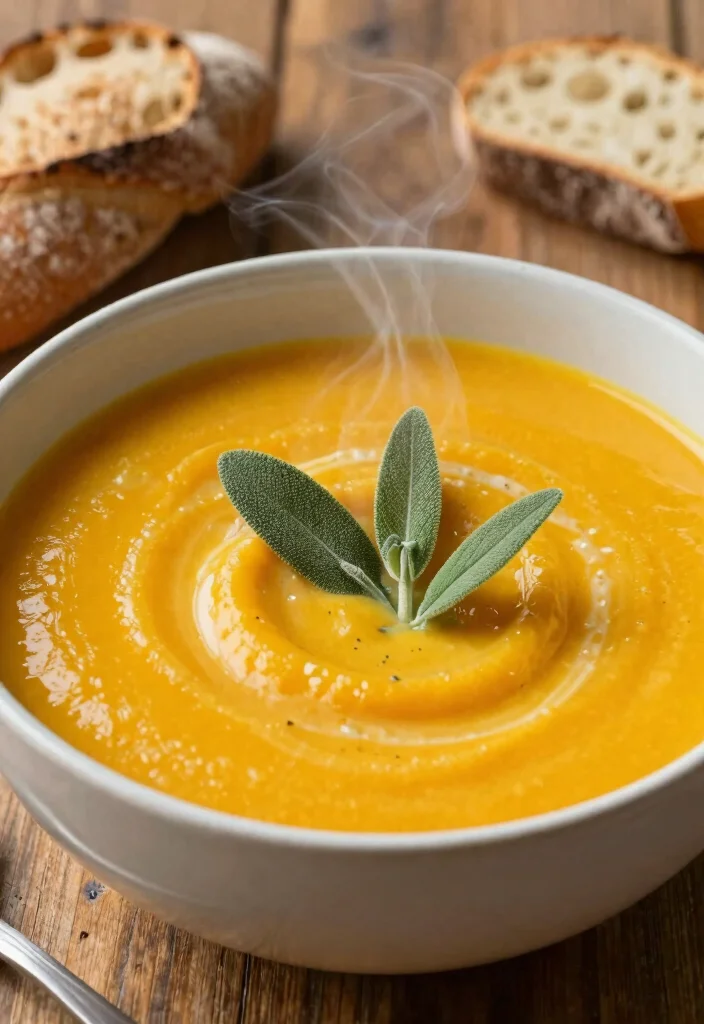
Sage-infused butternut squash soup is the ultimate comfort food for chilly days. The sweetness of roasted squash pairs beautifully with the earthy notes of sage, creating a warm and inviting flavor. This creamy soup is perfect as a starter or served with crusty bread for a hearty meal.
Ingredients:
– 1 butternut squash, peeled and diced
– 1 onion, chopped
– 2 cloves garlic, minced
– 4 cups vegetable broth
– 2 tablespoons fresh sage, chopped
– 1/2 cup cream or coconut milk
– Salt and pepper to taste
Instructions:
1. Preheat the oven to 400°F (200°C).
2. Toss butternut squash with olive oil, salt, and pepper on a baking sheet. Roast for 25-30 minutes until tender.
3. In a pot, sauté onion and garlic until soft.
4. Add roasted squash, broth, and sage. Simmer for 10 minutes.
5. Blend until smooth and stir in cream or coconut milk.
6. Season and serve warm with croutons or fresh bread.
FAQs:
– Can I freeze the soup? Yes, freeze in airtight containers for up to 2 months.
– What can I use if I don’t have sage? Thyme or rosemary can be good substitutes.
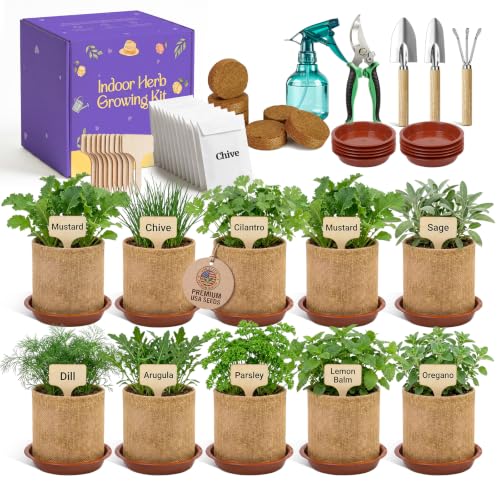
Beginner-Friendly & Success-Guaranteed: This indoor herb garden kit includes pruning shears, a watering can, and three wooden-handled tools—a wide shovel, narrow trowel, and hand cultivator. Beginner-friendly with detailed planting guidance, helping you care for herbs like a pro and enjoy fresh flavors from garden to table.

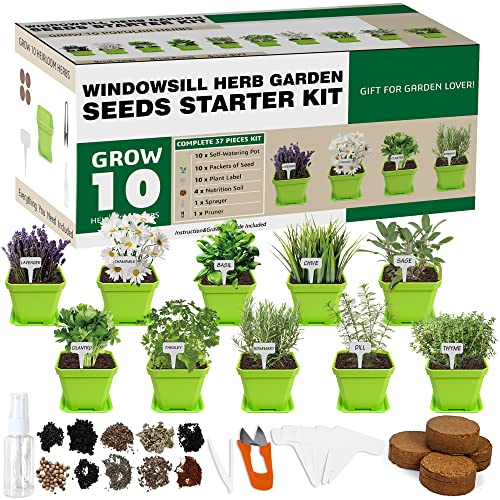
MEET ALL NEEDS FOR HERB GROWING: Package comes with 10 types of herb seeds, 10 pots, 10 plant markers, 4 nutritional soil discs, 1 water bottle, 1 mini metal pruner, and an instruction & growing guide. The herb grow kit is super simple and easy to use, perfect for garden beginners.
10. Dill Potato Salad
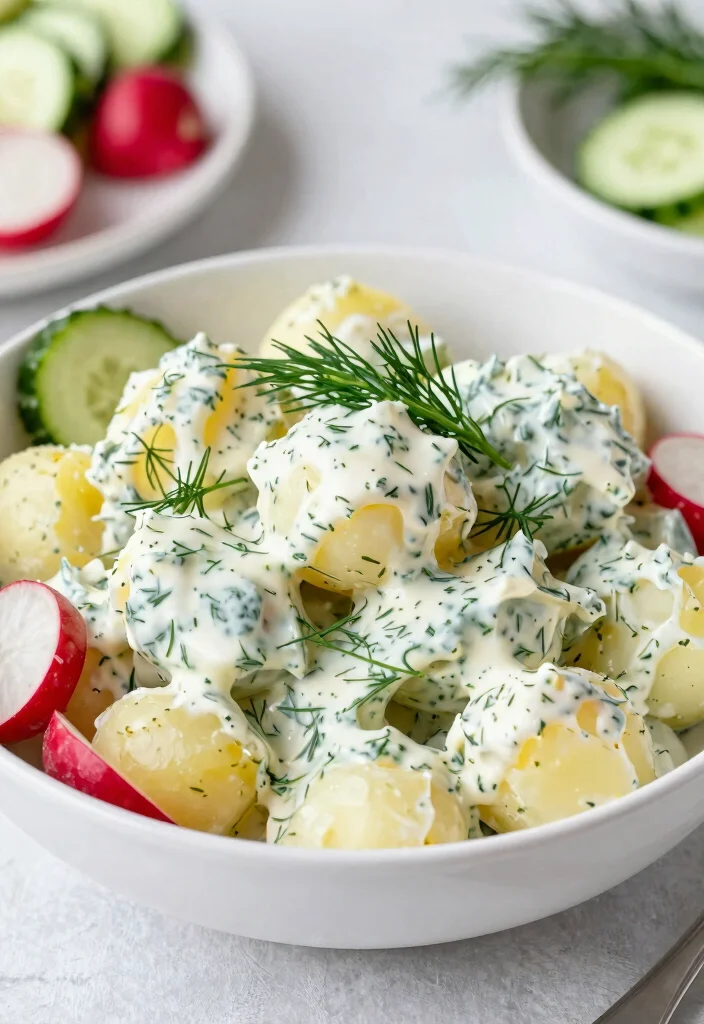
Dill potato salad is a classic dish that’s perfect for any gathering. The creamy dressing combined with fresh dill offers a refreshing twist on a traditional recipe. It’s a great side for summer barbecues, pairing wonderfully with grilled meats.
Ingredients:
– 2 lbs small potatoes
– 1/2 cup mayonnaise
– 1/4 cup Greek yogurt
– 2 tablespoons Dijon mustard
– 1/4 cup fresh dill, chopped
– Salt and pepper to taste
Instructions:
1. Boil potatoes until tender, about 15-20 minutes.
2. Drain and let cool before chopping into bite-sized pieces.
3. In a bowl, mix together mayonnaise, Greek yogurt, mustard, dill, salt, and pepper.
4. Fold in the potatoes until well coated.
5. Chill in the refrigerator for at least 30 minutes before serving.
FAQs:
– Can I use other herbs? Fresh parsley or chives can be delicious substitutes.
– How should I store leftovers? In an airtight container in the fridge for up to 3 days.
11. Spicy Cilantro Hummus
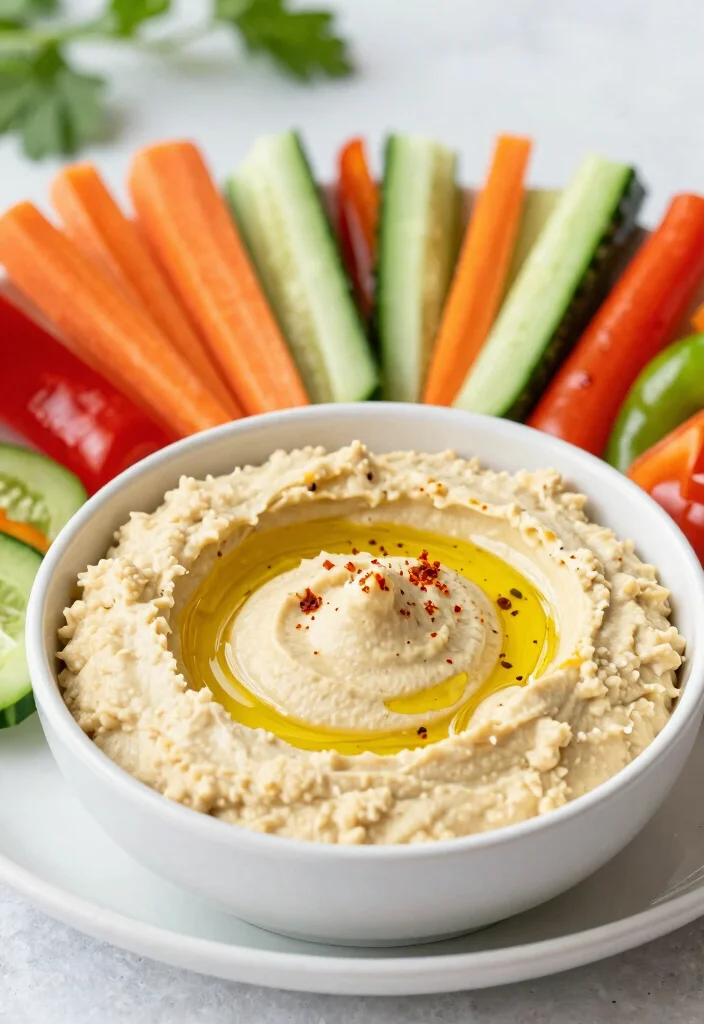
Spicy cilantro hummus is a bold twist on a classic dip that adds excitement to your snacking routine. With fresh cilantro and a kick of heat, this hummus is sure to be a crowd-pleaser. It’s perfect for pairing with crunchy veggies or pita chips for a healthy, flavorful treat.
Ingredients:
– 1 can (15 oz) chickpeas, drained
– 1/4 cup tahini
– 2 tablespoons lime juice
– 1 clove garlic, minced
– 1/4 cup fresh cilantro, chopped
– 1/4 teaspoon cayenne pepper or fresh jalapeño (to taste)
– Salt to taste
Instructions:
1. In a food processor, combine chickpeas, tahini, lime juice, garlic, cilantro, cayenne pepper, and salt.
2. Blend until smooth, adding water if necessary for desired consistency.
3. Taste and adjust seasoning as needed.
4. Serve with pita chips or fresh veggies.
FAQs:
– Can I use dried chickpeas? Yes, just soak and cook them first.
– How long can it be stored? In an airtight container in the fridge for up to 5 days.
12. Garlic Chive Butter
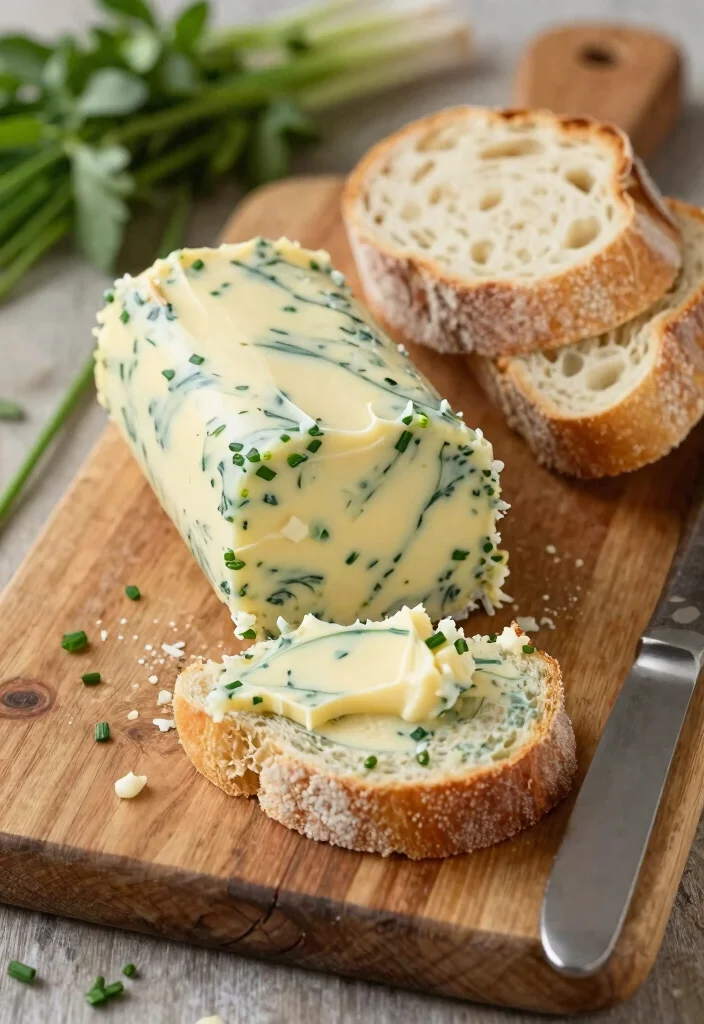
Garlic chive butter is a wonderfully rich addition that can elevate any meal. Perfect for spreading on warm bread or melting over grilled meats, this compound butter is flavorful and easy to whip up. It’s a simple way to add a burst of flavor to your favorite dishes.
Ingredients:
– 1 cup unsalted butter, softened
– 2 cloves garlic, minced
– 1/4 cup fresh chives, chopped
– Salt to taste
Instructions:
1. In a bowl, combine softened butter, garlic, chives, and salt.
2. Mix until well combined.
3. Transfer to parchment paper, roll into a log shape, and twist the ends to seal.
4. Refrigerate until firm, about 1 hour.
5. Slice as needed and enjoy!
FAQs:
– How long does it last? Up to 2 weeks in the fridge.
– Can I freeze it? Yes, it freezes well for up to 3 months.
Did you know garlic chive butter can boost flavor perception by up to 40% on simple bread? With just 1 cup butter, 2 cloves garlic, and fresh chives, you can elevate any meal in minutes—perfect for your grow a garden recipes.
13. Honey Rosemary Glazed Carrots
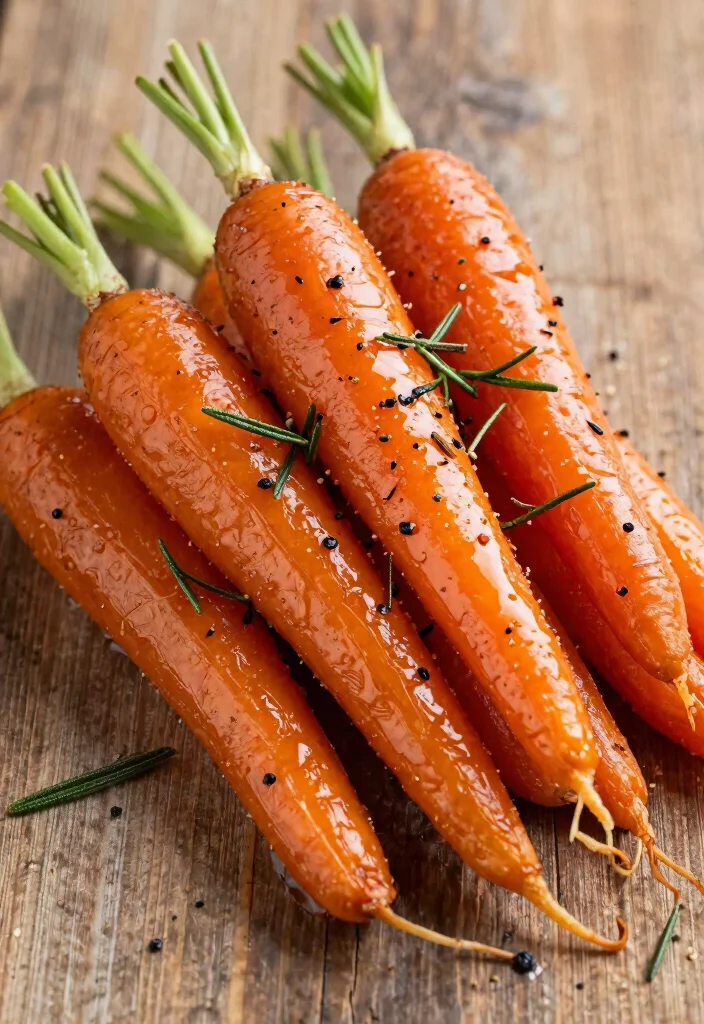
Honey rosemary glazed carrots are a sweet and savory side dish that brings a touch of elegance to any meal. The combination of honey and fresh rosemary enhances the natural sweetness of carrots, making them irresistible. These glazed carrots are perfect for family dinners or holiday feasts.
Ingredients:
– 1 lb baby carrots
– 2 tablespoons butter
– 2 tablespoons honey
– 1 tablespoon fresh rosemary, chopped
– Salt and pepper to taste
Instructions:
1. In a skillet, melt butter over medium heat.
2. Add carrots and sauté for about 10 minutes until tender.
3. Drizzle with honey and sprinkle with rosemary.
4. Stir well and cook for an additional 2-3 minutes until glazed.
5. Season with salt and pepper before serving.
FAQs:
– What other herbs can I use? Thyme or parsley can also be delicious alternatives.
– Can I make this ahead of time? It’s best served fresh but can be reheated easily.
14. Tarragon Chicken Salad
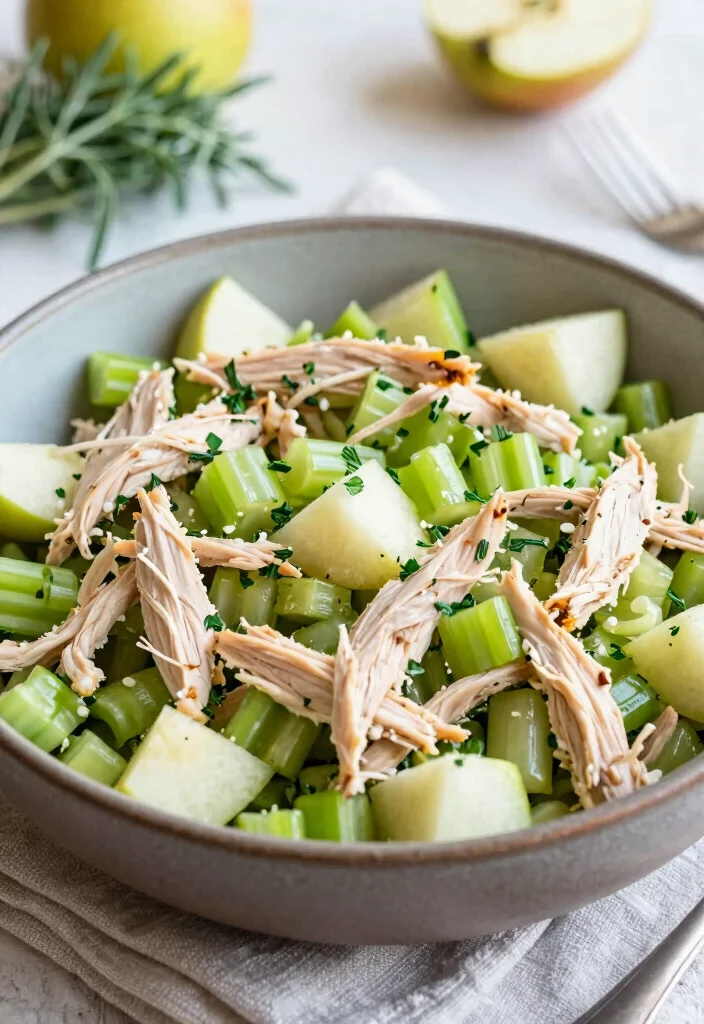
Tarragon chicken salad is a delightful twist on a beloved classic. The fresh, anise-like flavor of tarragon complements the tender chicken beautifully, making this salad ideal for a light lunch or picnic. It’s quick to prepare and full of refreshing flavors that everyone will enjoy.
Ingredients:
– 2 cups cooked chicken, shredded
– 1 apple, diced
– 1/2 cup celery, diced
– 1/4 cup mayonnaise
– 1/4 cup Greek yogurt
– 1 tablespoon Dijon mustard
– 2 tablespoons fresh tarragon, chopped
– Salt and pepper to taste
Instructions:
1. In a large bowl, combine chicken, apple, celery, mayonnaise, yogurt, mustard, tarragon, salt, and pepper.
2. Mix until well combined.
3. Serve on a bed of greens, in a sandwich, or with crackers.
FAQs:
– Can I use rotisserie chicken? Absolutely! It saves time and adds great flavor.
– What can I substitute for tarragon? Fresh dill or parsley can work well too.
15. Parsley Tabouli
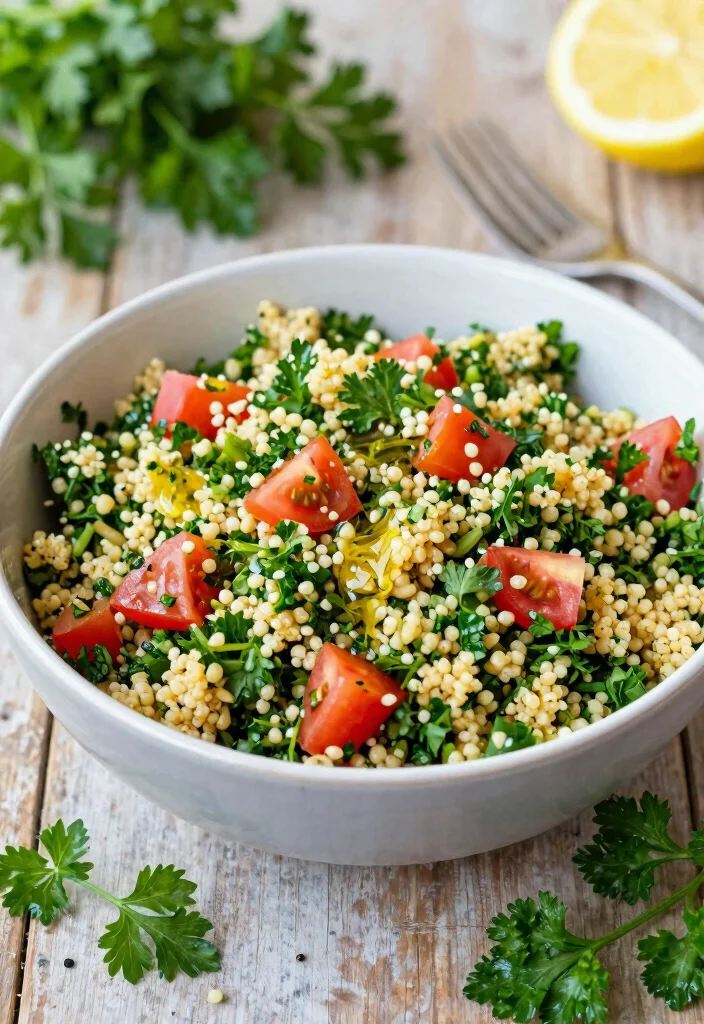
Bright and fresh, parsley tabouli is a staple in Middle Eastern cuisine that you’ll love. This salad combines parsley, tomatoes, and bulgur wheat for a nutritious and vibrant dish. It’s a fantastic way to use up fresh herbs from your garden and pairs well with grilled meats or can be enjoyed on its own.
Ingredients:
– 1 cup bulgur wheat
– 2 cups fresh parsley, finely chopped
– 1 cup tomatoes, diced
– 1/4 cup olive oil
– Juice of 1 lemon
– Salt and pepper to taste
Instructions:
1. Soak bulgur in water for about 10 minutes, then drain.
2. In a large bowl, combine bulgur, parsley, tomatoes, olive oil, lemon juice, salt, and pepper.
3. Toss until well mixed and let it sit for at least 10 minutes before serving.
4. Serve chilled or at room temperature.
FAQs:
– Can I use quinoa instead of bulgur? Yes, it makes a great gluten-free alternative!
– How long does it stay fresh? Best consumed within 2 days for optimal freshness.
Conclusion
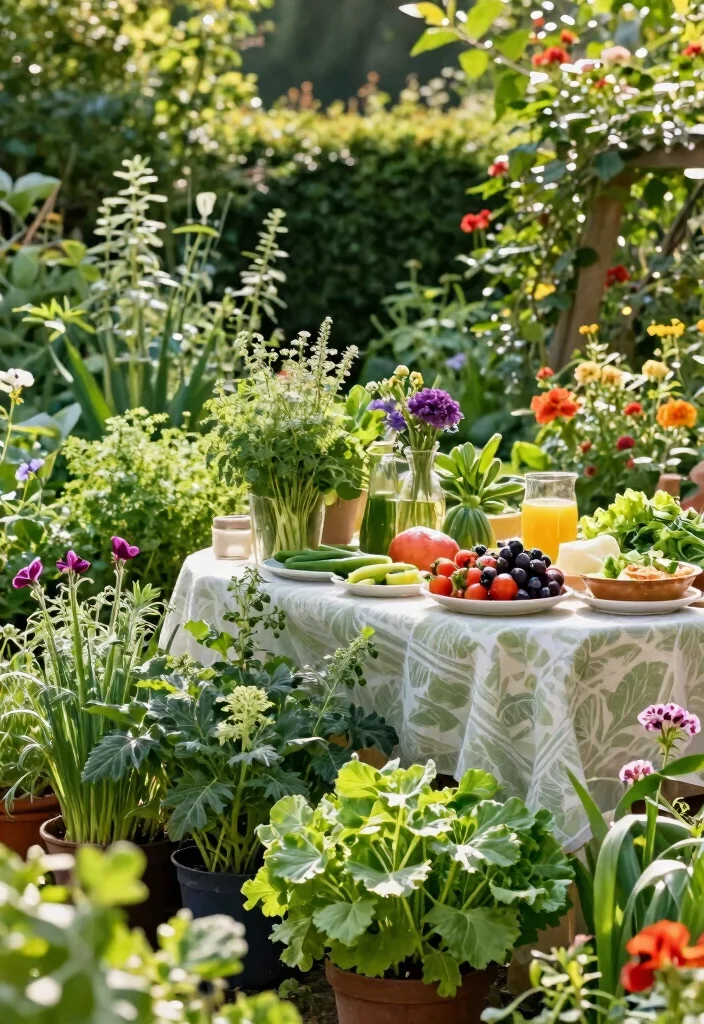
Growing a garden opens up a world of culinary possibilities! From fragrant herbs to vibrant vegetables, each recipe featured celebrates the joy of cooking with fresh ingredients right from your backyard. Whether you’re crafting a refreshing drink, whipping up a hearty meal, or creating a delightful dessert, these herb-infused recipes offer something for every palate. Try these tasty creations and relish the flavors of homegrown goodness!
Engage with the process of growing, cooking, and enjoying your harvest to deepen your appreciation for food and nature.
Frequently Asked Questions
How can I grow a garden recipes at home to harvest herbs for cooking?
Getting started to grow a garden recipes at home doesn’t have to be complicated.
Pick a sunny spot, use raised beds or containers, and start with a small herb list (basil, parsley, chives) plus a couple of vegetables (lettuce, tomatoes).
Apply backyard gardening tips like compost, proper drainage, and consistent watering to keep plants thriving.
Harvest frequently for fresh herbs cooking and you’ll see how easy vegetable garden recipes become when your garden is within reach.
What are the best vegetable garden recipes using herbs straight from your backyard?
Try these practical ideas: 1) Herb-infused vinaigrette using basil, chives, and oregano; 2) Fresh tomato, mozzarella, and basil pasta; 3) Roasted seasonal vegetables with lemon and thyme.
Each idea comes from herbs you raised in your backyard gardening tips and helps you enjoy vegetable garden recipes and seasonal produce dishes with ease.
Keep a snip-box by the kitchen so you can grab fresh herbs cooking ingredients in seconds.
These are everyday, doable ways to cook with what you grow.
Which backyard gardening tips help maximize flavor in seasonal produce dishes?
Start with rich soil and regular feeding, then water deeply in the morning and mulch to keep moisture steady.
Plant herbs near vegetables to encourage companion growth and natural pest deterrence.
Harvest herbs and vegetables at peak for the best seasonal produce dishes and vibrant fresh herbs cooking finishes.
Keep your garden productive by practicing simple crop rotation and keeping a small calendar for succession planting.
How can I create simple farm-to-table meals with a small herb garden?
Plan your week around what’s ripe, then build meals that celebrate garden freedom.
Make herb butter, a quick fresh herbs cooking drizzle with olive oil, and light herb-seasoned proteins.
Pair garden-picked vegetables with these herbs to craft farm-to-table meals that feel luxurious and local.
Preserve extras with drying or freezing so you can enjoy that garden flavor year-round.
How do I keep a fresh herb garden thriving through the seasons?
Choose varieties suited to your climate and use containers to control sun and moisture.
In colder months, move potted herbs indoors or into bright, sunny spots.
Prune regularly to encourage new growth and harvest frequently to sustain a steady supply for fresh herbs cooking.
Practice simple pest control, and consider drying or freezing excess herbs to enjoy seasonal produce dishes and vegetable garden recipes year-round.
Related Topics
grow a garden recipes
herb-infused dishes
seasonal cooking
vegetable garden recipes
fresh herbs cooking
farm-to-table meals
backyard gardening tips
easy recipes
homegrown ingredients
sustainable cooking
cooking with herbs
garden-to-table