
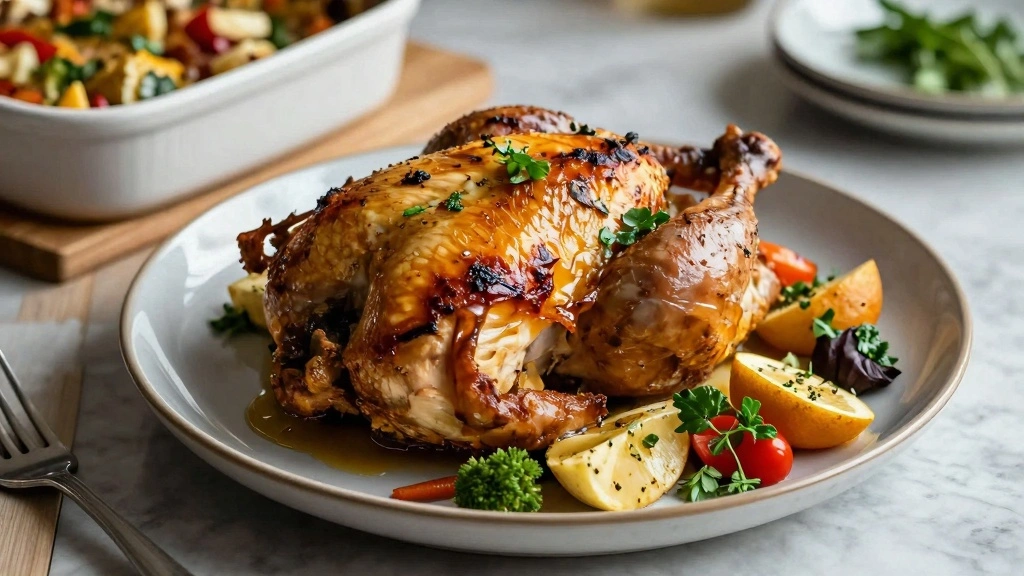
There’s something incredibly comforting about a warm casserole dish coming out of the oven.
The Rotisserie Chicken Casserole combines the ease of pre-cooked chicken with the wholesome goodness of a home-cooked meal.
Rich, creamy, and packed with flavor, this casserole is the perfect solution for busy weeknights.
It offers a delightful blend of tender chicken, savory spices, and creamy sauce, all baked to perfection.
Whether it’s a chilly winter evening or a hectic weekday, this dish provides both warmth and convenience.
You’ll find yourself reaching for this recipe time and time again.
The History and Cultural Significance
• Rotisserie Chicken Casserole traces its origins to the 20th-century American Midwest, where it was originally created by home cooks seeking comfort and convenience.
• The dish evolved over decades as canned soups and pre-cooked chicken became household staples, eventually becoming the beloved version we know today.
• In American culture, this dish traditionally appears at family gatherings and potlucks, symbolizing community and warmth.
• While many variations exist across different regions, the authentic version maintains its creamy base and tender chunks of chicken that set it apart from imitations.
Recipe Overview
Nutritional Information (per serving)
Essential Equipment Guide
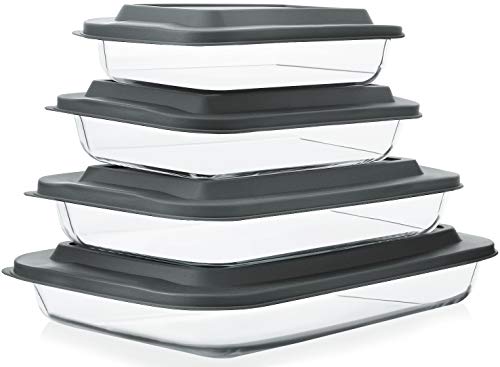
Baking Dish: A 9×13-inch baking dish is ideal for this recipe, ensuring even cooking and a nice golden top. Alternatives like metal pans can work, but glass or ceramic are preferred for heat retention.
Mixing Bowl: A large mixing bowl is crucial for combining all ingredients thoroughly. Stainless steel or glass bowls are recommended for their durability and ease of cleaning.
Whisk: A whisk is essential for blending the sauce smoothly. A silicone whisk is ideal to prevent scratching your mixing bowl or baking dish.




Ingredients
For the Base
|
|
| Amount | Ingredient | Notes |
|---|---|---|
| 3 cups | rotisserie chicken | shredded, skin removed |
| 2 cups | cooked rice | adds bulk and texture |
For the Sauce
| Amount | Ingredient | Notes |
|---|---|---|
| 1 can | cream of chicken soup | adds creaminess |
| 1 cup | sour cream | enhances richness |
| 1 cup | chicken broth | thins out the sauce |
Vegetables
| Amount | Ingredient | Notes |
|---|---|---|
| 1 cup | frozen peas | thawed |
| 1 medium | carrot | diced |
Seasonings
| Amount | Ingredient | Notes |
|---|---|---|
| 1 teaspoon | salt | enhances flavor |
| 1 teaspoon | black pepper | adds warmth |
| 1 teaspoon | dried thyme | adds earthy notes |
Topping
| Amount | Ingredient | Notes |
|---|---|---|
| 1 cup | shredded cheddar cheese | adds gooey topping |
| 1 cup | crushed crackers | adds crunch |


Preparation Methods
Shredding Chicken: Shredding the rotisserie chicken ensures it evenly incorporates into the casserole. Pull apart the meat with two forks or your fingers for a fine texture.
Making a Creamy Sauce: Thoroughly mixing the cream of chicken soup with sour cream and chicken broth is crucial for a smooth sauce. Whisk until no lumps remain for the best consistency.
Layering: Properly layering the casserole components helps in achieving a uniform bake and well-distributed flavors. Start with rice, then layer chicken and sauce, followed by vegetables and cheese.


Step 1: Prepare Ingredients
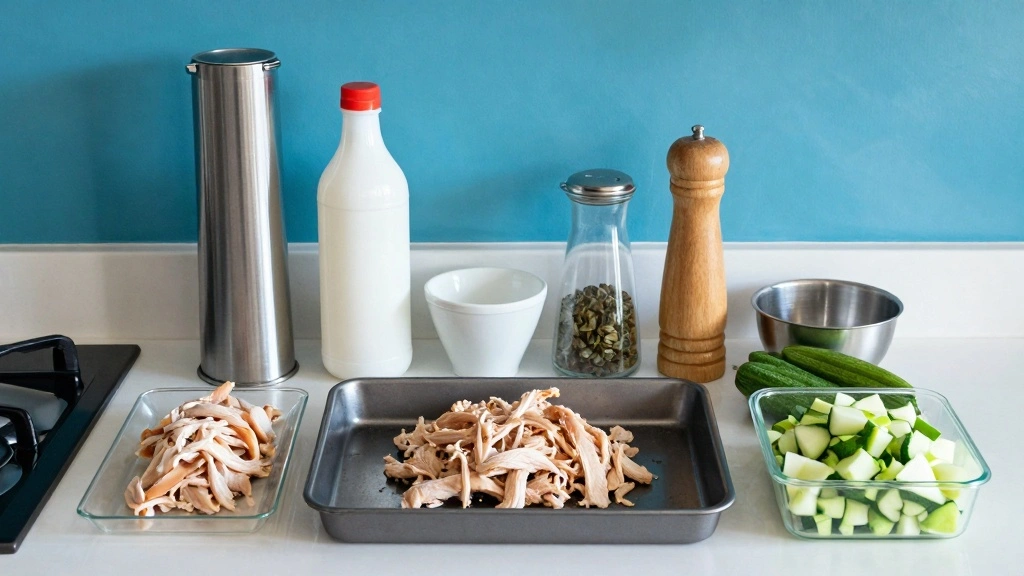
Gather all your ingredients and equipment.
Ensure the chicken is shredded and vegetables are diced.
Preheat your oven to 350°F (175°C).
Having everything ready will make the process smoother.
Step 2: Cook the Rice
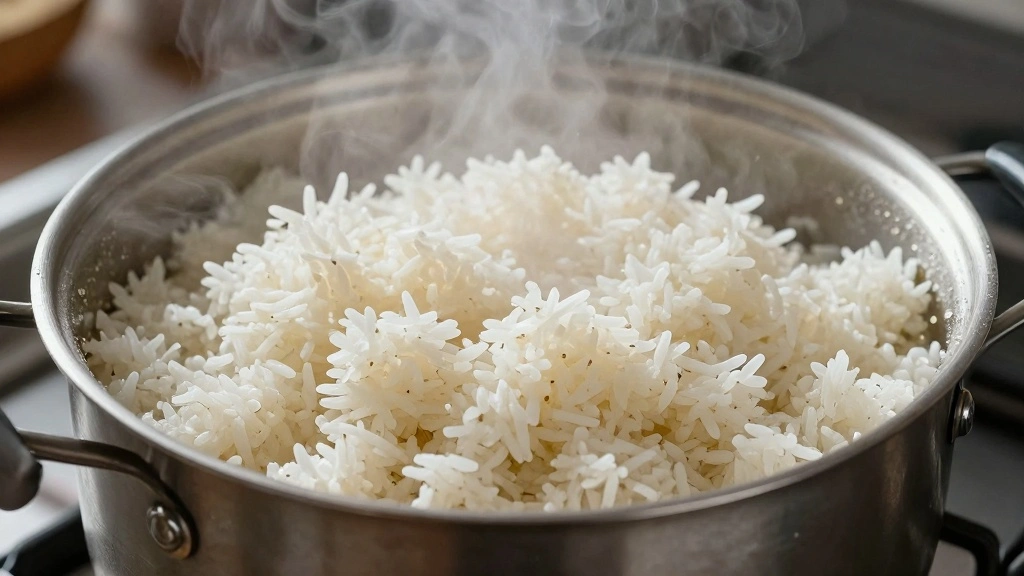
Cook two cups of white rice according to package instructions.
Ensure rice is fully cooked and fluffy.
Drain any excess water if necessary.
Set the cooked rice aside to cool slightly.
Step 3: Mix the Sauce
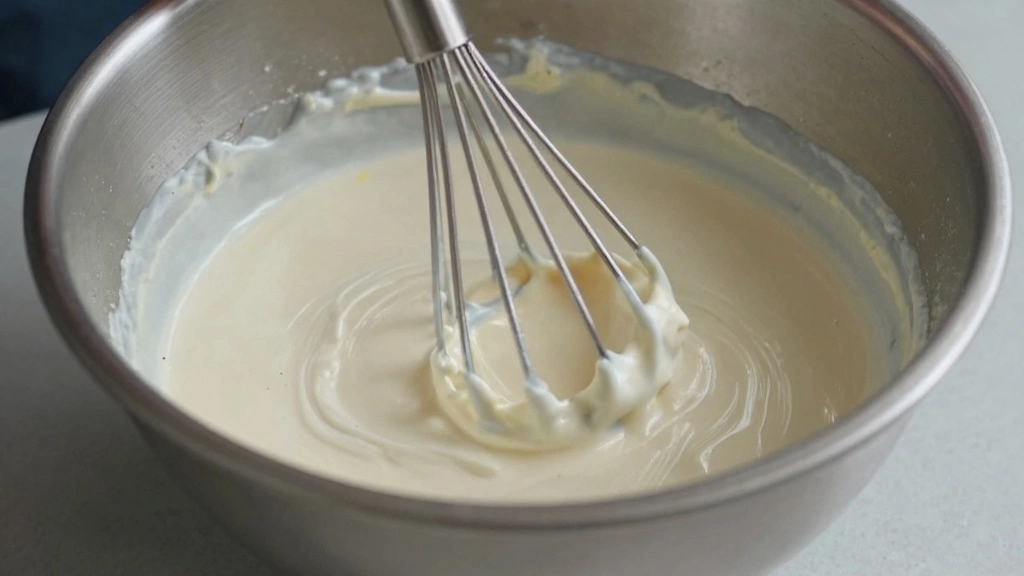
In a large mixing bowl, combine cream of chicken soup, sour cream, and chicken broth.
Whisk until the mixture is smooth and well combined.
Ensure there are no lumps in the sauce.
This mixture will form the creamy base of the casserole.


Step 4: Assemble the Casserole Base
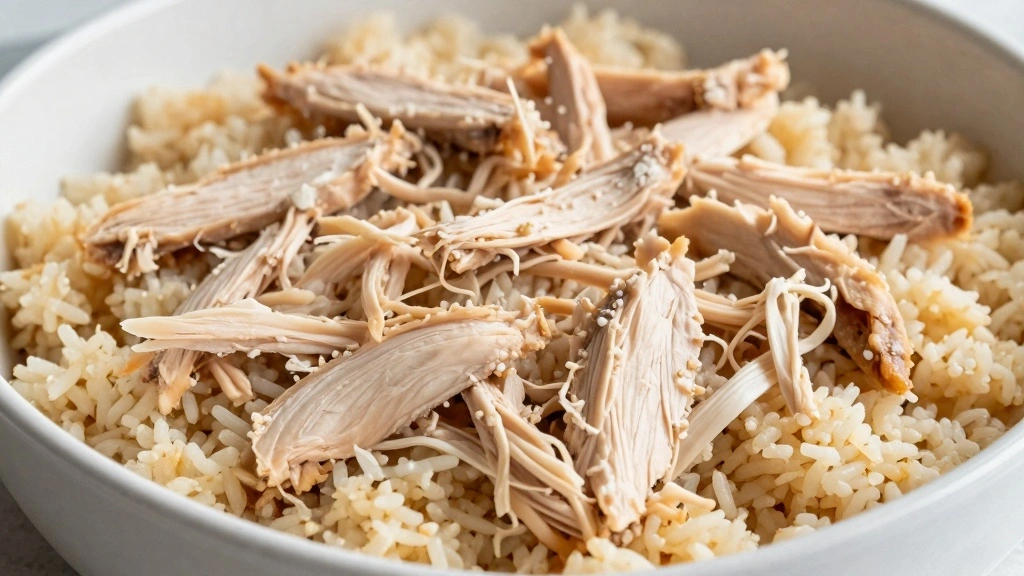
Spread the cooked rice evenly across the bottom of the baking dish.
Layer the shredded chicken evenly over the rice.
This helps ensure each bite has a bit of everything.
The base should be level to promote even baking.
Step 5: Add Vegetables and Sauce
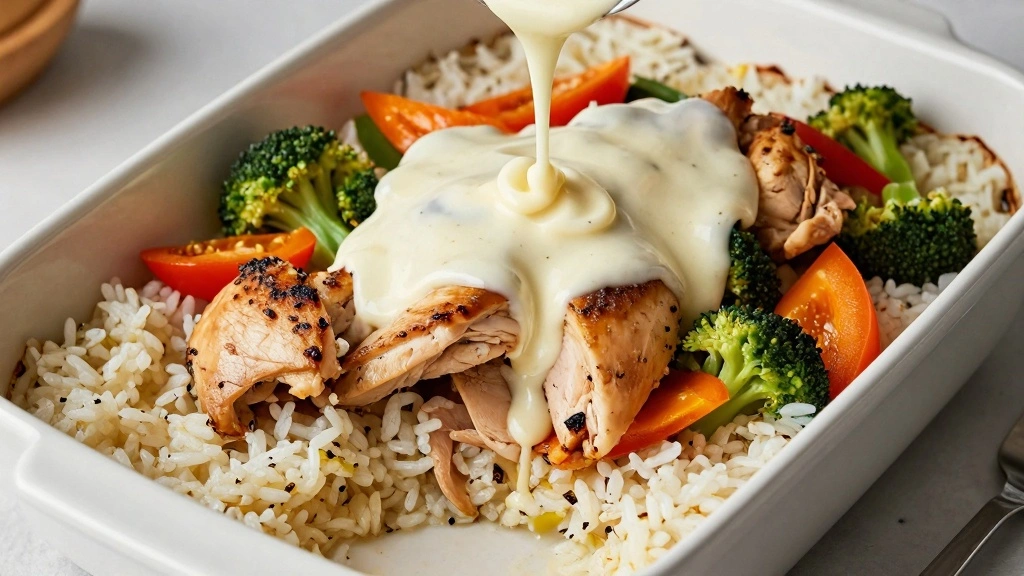
Sprinkle the diced carrots and thawed peas over the chicken layer.
Pour the creamy sauce mixture evenly over the vegetables and chicken.
Use a spatula to spread it out if needed.
This ensures even distribution of flavors throughout the casserole.



Step 6: Season the Dish
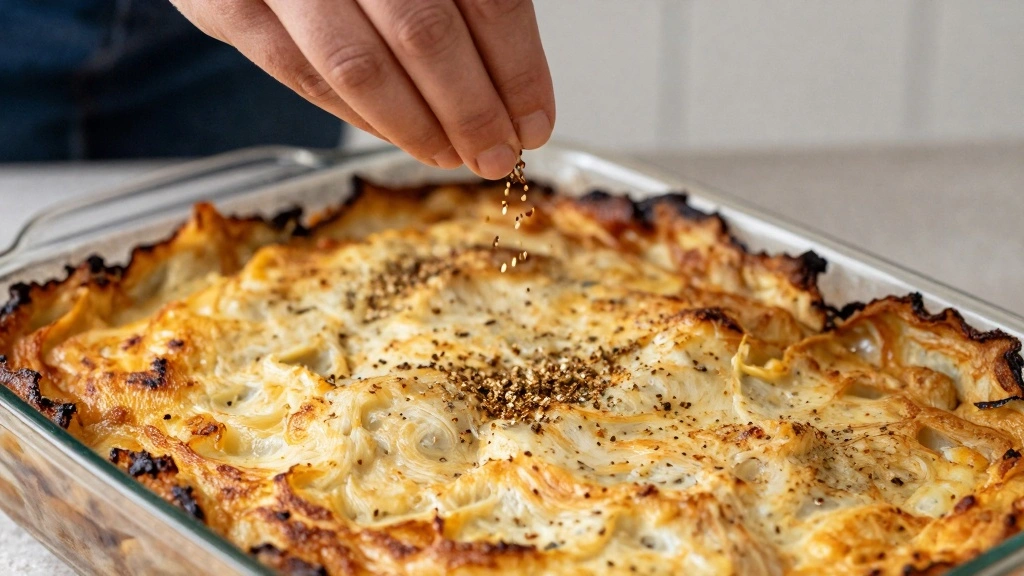
Sprinkle salt, black pepper, and dried thyme evenly over the top.
Ensure the seasonings are distributed across the entire dish.
Use your fingers to lightly mix the top layer if needed.
This will enhance the overall flavor profile.
Step 7: Add Cheese and Cracker Topping
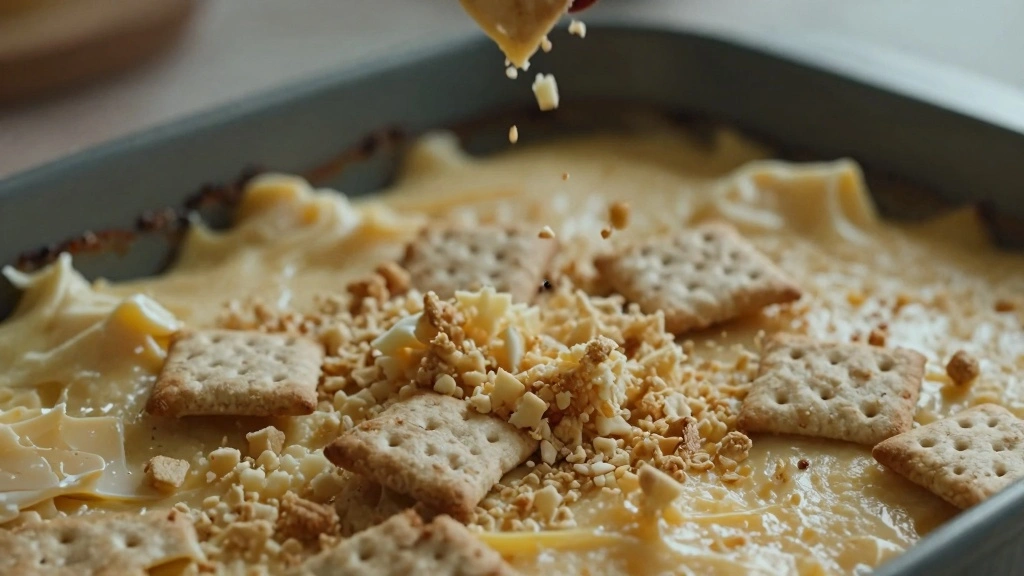
Sprinkle shredded cheddar cheese evenly over the casserole.
Follow with a layer of crushed crackers for added crunch.
Ensure the top is evenly covered.
This topping will create a golden, crispy crust.
Step 8: Bake the Casserole
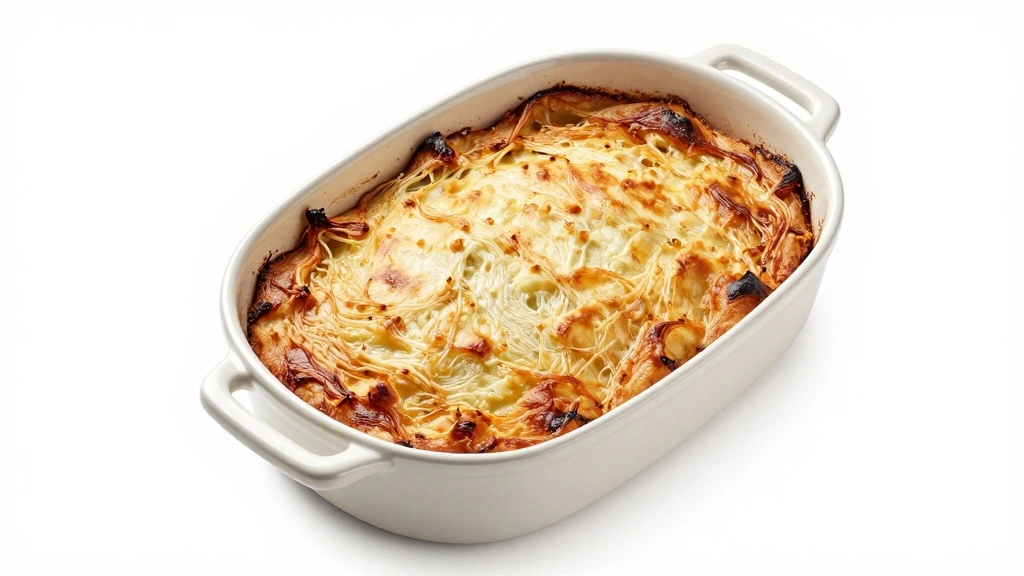
Place the baking dish in the preheated oven.
Bake for 30 minutes or until the top is golden brown and bubbly.
Check for doneness by inserting a knife to see if it comes out clean.
Let it rest for a few minutes before serving.



Critical Timing and Temperature Guide
Baking: Bake at 350°F (175°C) for 30 minutes. Look for a golden-brown top and bubbly edges. Avoid overbaking, which can dry out the casserole.
Cooling: Let the casserole rest for at least 5 minutes before serving. This allows the sauce to thicken slightly and makes for easier serving.
Reheating: If reheating leftovers, cover with foil and heat at 325°F (165°C) until warm. Avoid high temperatures to prevent drying out.
Pro Tips for Rotisserie Chicken Casserole
• Ingredient Selection: Opt for a high-quality rotisserie chicken with juicy, tender meat for the best results.
• Preparation Secret: Add a dash of lemon juice to the sauce for a subtle brightness that enhances flavors.
• Temperature Management: Ensure the casserole is at room temperature before baking for even cooking.
• Texture Enhancement: Use crackers with a good amount of butter for a more flavorful, crunchy topping.
• Flavor Layering: Incorporate a few dashes of hot sauce into the sauce for a gentle kick.
• Make-Ahead Strategies: Assemble the casserole a day ahead and refrigerate. Bake it fresh when ready to serve.
• Restaurant-Quality Finishing Touches: Garnish with fresh herbs like parsley or chives for a fresh, vibrant touch.
• Equipment Optimization: Preheat your baking dish by placing it in the oven as it preheats for better heat distribution.


Troubleshooting Common Issues
• Texture Too Dense: Caused by overcooking the rice. Ensure rice is fluffy and not overcooked before assembling.
• Flavors Unbalanced: Often due to insufficient seasoning. Taste and adjust the sauce before assembling.
• Cheese Not Melting Evenly: Happens when cheese is added too late. Add cheese with enough time to melt and brown during baking.
• Dry Casserole: Results from insufficient sauce or overbaking. Ensure sauce covers all ingredients and monitor baking time closely.
• Cracker Topping Soggy: Occurs when crackers are not evenly distributed. Ensure an even layer and consider using a buttered topping.
Variations and Regional Differences
• Southern Style: Includes bell peppers and a dash of hot sauce for a spicier kick and vibrant color.
• Mexican Inspired: Incorporates black beans, corn, and taco seasoning for a southwestern twist.
• Italian Twist: Uses marinara sauce and mozzarella cheese for a comforting, Italian-inspired version.
• Vegetarian Version: Replaces chicken with more vegetables like mushrooms and zucchini, and uses vegetable broth.
Food Science Behind the Recipe
• Maillard Reaction: The browning of cheese and crackers is due to the Maillard reaction, which enhances flavor and aroma.
• Emulsification: The combination of soup and sour cream creates a stable emulsion, resulting in a creamy sauce.
• Starch Gelatinization: Occurs as rice cooks and absorbs liquid, contributing to the casserole’s thickened texture.
Frequently Asked Questions
What's the most common mistake people make when preparing Rotisserie Chicken Casserole? Overcooking can lead to dryness, so it's essential to monitor baking time closely.
Can I use fresh chicken instead of rotisserie? Yes, but precook it to ensure it’s fully done before assembly.
How do I prevent the cheese from becoming too greasy? Use a quality cheese and avoid overbaking to prevent oil separation.
Can I freeze the casserole? Yes, assemble and freeze it before baking. Thaw overnight in the fridge before baking.
What's the best way to reheat leftovers? Cover with foil and reheat at 325°F (165°C) to maintain moisture.
Is there a gluten-free option? Use gluten-free crackers and ensure all other ingredients are certified gluten-free.
How can I add more vegetables? Simply increase the amount or variety of vegetables like bell peppers or spinach.
Serving and Presentation Guide
• Traditional Presentation: Serve directly from the baking dish at the table, allowing guests to help themselves.
• Individual Portions: Use ramekins to bake and serve individual portions for an elegant touch.
• Garnishing: Top with freshly chopped parsley or chives for a pop of color and freshness.
• Accompaniments: Pair with a simple green salad or crusty bread to complement the richness of the casserole.
Conclusion
With its rich flavors and comforting textures, Rotisserie Chicken Casserole is a dish that never disappoints.
It's perfect for busy nights or when you want to impress without the fuss.
Try this recipe and let it become a staple in your meal rotation.
Your family and friends will surely thank you.