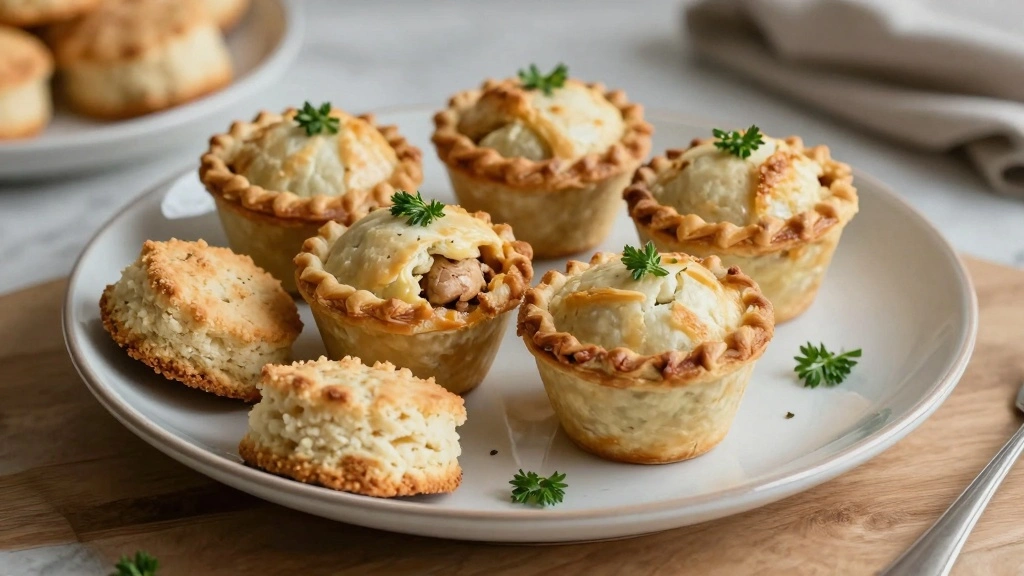
There’s something infinitely comforting about the warm, savory goodness of mini chicken pot pies, especially when the weather turns cooler.
These bite-sized delights bring together tender chicken, vibrant vegetables, and a creamy sauce, all enveloped in a flaky biscuit crust.
Each mini pie is a perfect blend of textures and flavors, making them a family favorite.
Whether you’re hosting an intimate gathering or just looking for a cozy evening meal, these mini chicken pot pies deliver on every front.
I first stumbled upon this recipe during a chilly fall evening, and it has since become a household staple for its hearty and satisfying nature.
The History and Cultural Significance
• Mini Chicken Pot Pies trace their origins to Medieval Europe, where they were originally created as a means to preserve meats.
• The dish evolved over decades as ingredients such as fresh vegetables and rich sauces were incorporated, eventually becoming the beloved version we know today.
• In American culture, this dish traditionally appears at family gatherings during the fall and winter months, symbolizing warmth and togetherness.
• While many variations exist across different regions, the authentic version maintains a creamy filling and a flaky crust that sets it apart from imitations.


Recipe Overview
Nutritional Information (per serving)
Essential Equipment Guide
Muffin Tin: Essential for shaping and baking the mini pies, ensuring even cooking and perfect size. Alternatives include ramekins or small oven-safe dishes, but muffin tins provide the best uniformity.
Pastry Cutter: Crucial for cutting biscuits evenly, allowing for consistent baking. If unavailable, a sharp knife or cookie cutter can be used.
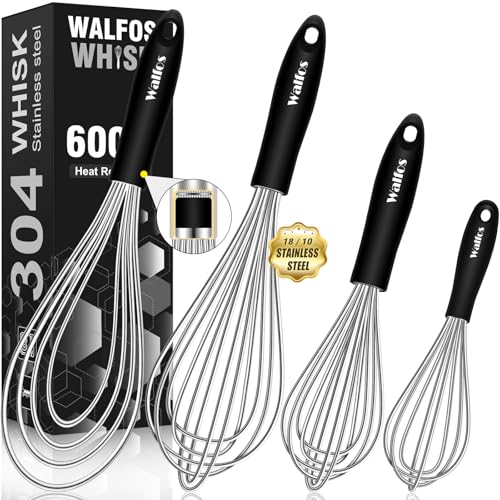
Whisk: Important for creating a smooth and creamy sauce. A fork or electric mixer can substitute, but a whisk offers more control over texture.



Ingredients
For the Filling
|
|
| Amount | Ingredient | Notes |
|---|---|---|
| 2 cups | cooked chicken | shredded, adds protein |
| 1 cup | frozen peas | adds sweetness |
| 1 cup | carrots | diced, adds color and flavor |
| 1 cup | potatoes | cubed, hearty addition |
For the Sauce
| Amount | Ingredient | Notes |
|---|---|---|
| 3 tablespoons | butter | adds richness |
| 3 tablespoons | flour | thickening agent |
| 2 cups | chicken broth | base for sauce |
| 1 cup | milk | adds creaminess |
Seasonings
| Amount | Ingredient | Notes |
|---|---|---|
| 1 teaspoon | salt | enhances flavor |
| 1 teaspoon | black pepper | adds heat |
| 1 teaspoon | thyme | adds earthiness |
For the Biscuits
| Amount | Ingredient | Notes |
|---|---|---|
| 2 cups | all-purpose flour | forms the base |
| 1 tablespoon | baking powder | leavening agent |
| 1/2 teaspoon | salt | flavor enhancer |
| 1/2 cup | butter | cold, cut into cubes |
| 3/4 cup | milk | moistens dough |

Preparation Methods
Making Roux: The process of creating a roux involves melting butter and stirring in flour until smooth. It is critical for thickening the sauce and should be cooked until golden to eliminate raw flour taste.
Biscuit Dough Formation: This technique requires cutting cold butter into flour until the mixture resembles coarse crumbs. It ensures flakiness in the baked biscuits, and practice helps achieve the desired texture.
Layering Ingredients: Proper layering in the muffin tin ensures even distribution and optimal cooking. Start with a base of dough, followed by filling, and finish with a top layer of dough.
Step 1: Prepare Ingredients
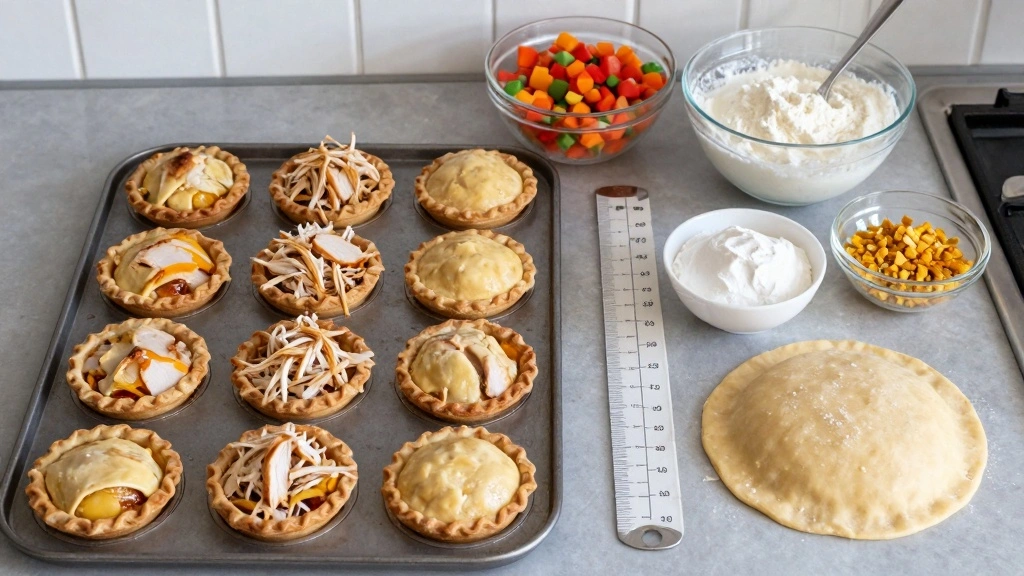
Begin by gathering all ingredients.
Ensure the chicken is cooked and shredded.
Measure out the peas, carrots, and potatoes.
Preheat your oven to 375°F (190°C).
Step 2: Cook Vegetables
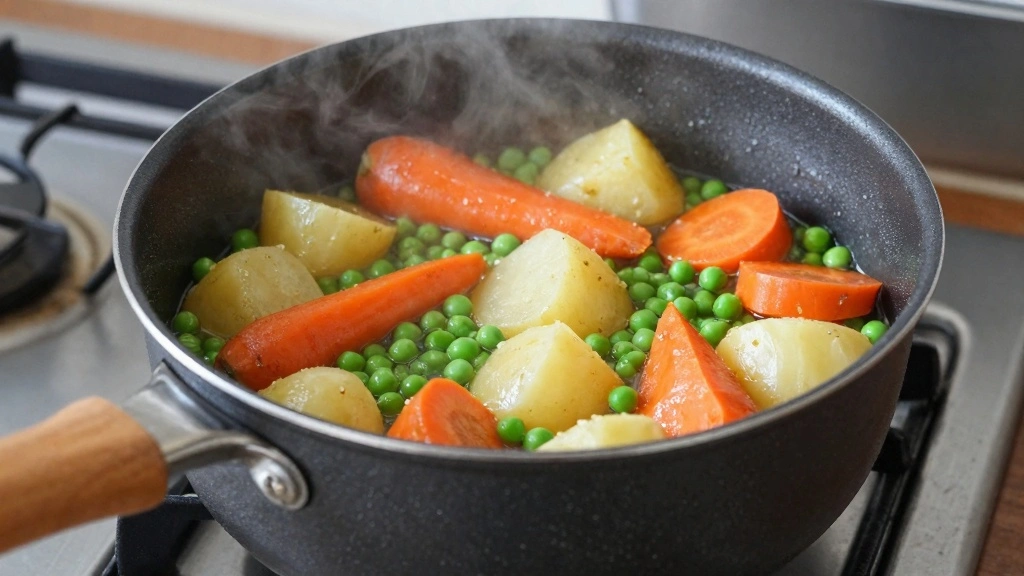
In a saucepan, heat a tablespoon of butter over medium heat.
Add the diced carrots and potatoes.
Cook until they begin to soften, about 5 minutes.
Stir in the peas and cook for an additional 2 minutes.
Step 3: Make the Sauce
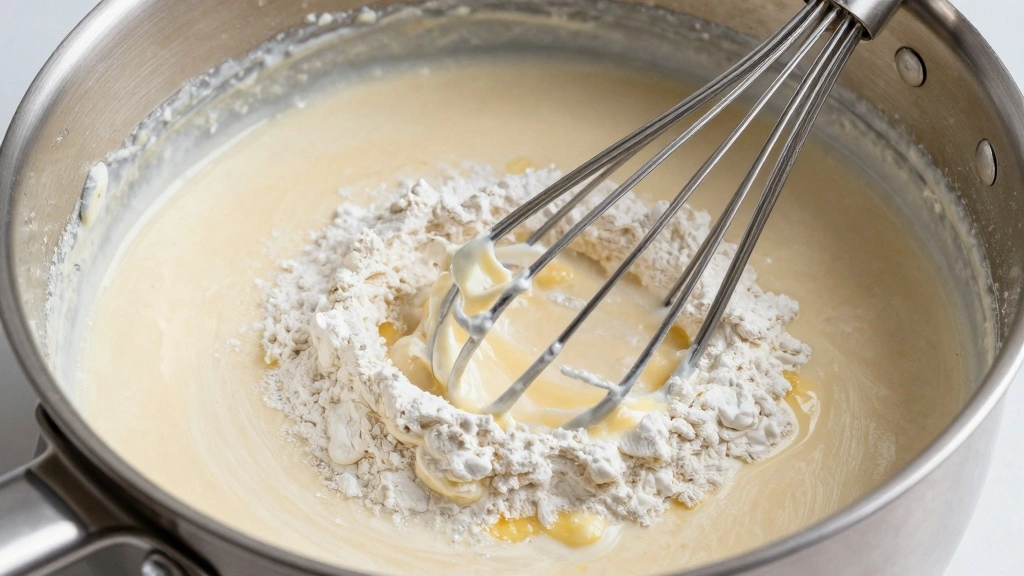
Melt butter in a separate pan over medium heat.
Whisk in flour to form a roux.
Gradually add chicken broth, whisking constantly.
Slowly pour in the milk and continue to whisk until thickened.


Step 4: Combine Filling
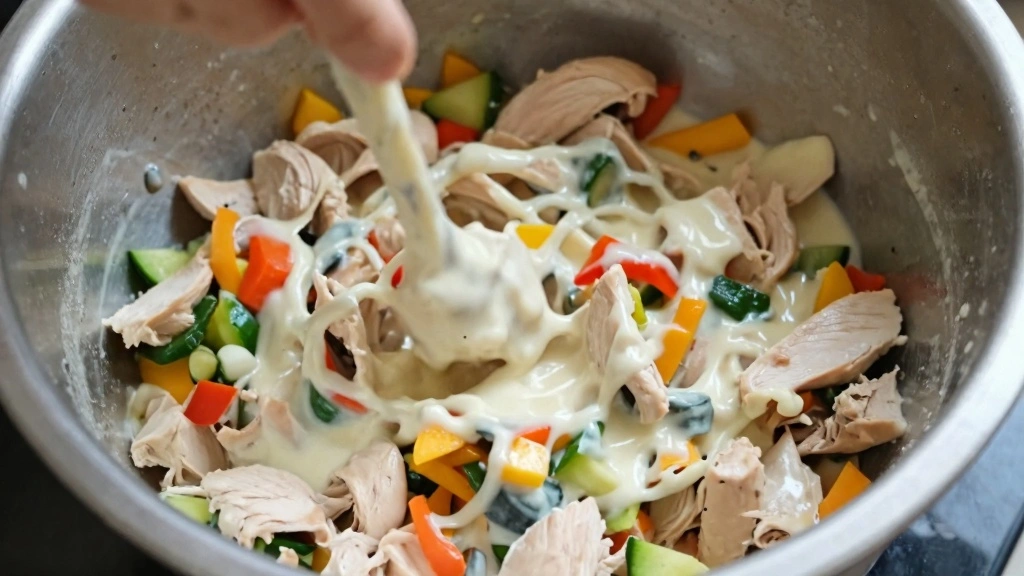
In a large bowl, combine cooked chicken, sautéed vegetables, and sauce.
Mix thoroughly until all ingredients are well coated.
Season with salt, pepper, and thyme.
Taste and adjust seasoning if necessary.
Step 5: Prepare Biscuit Dough
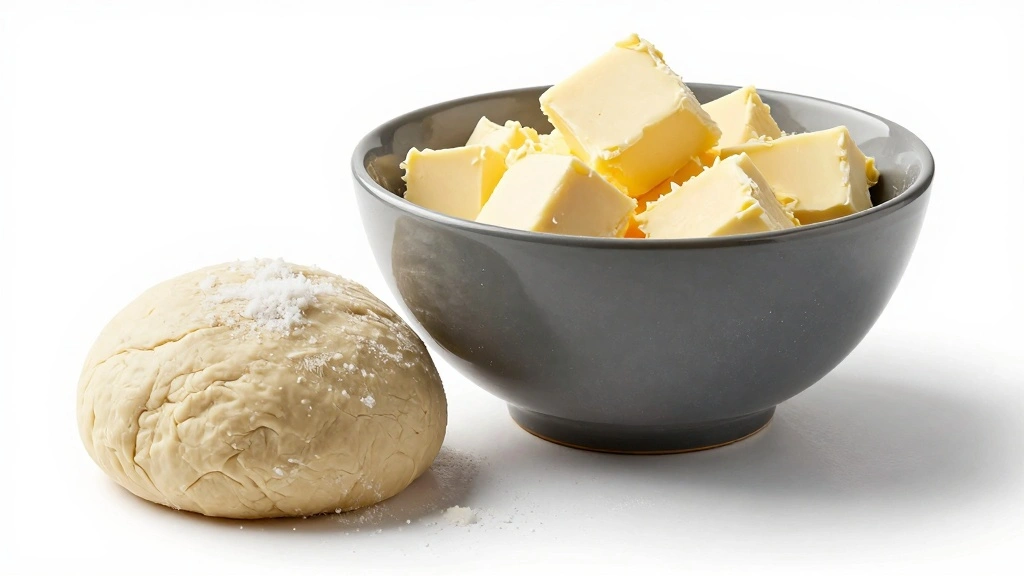
In another bowl, mix flour, baking powder, and salt.
Cut in cold butter until the mixture resembles coarse crumbs.
Stir in milk until dough comes together.
Turn onto a floured surface and knead gently.
Step 6: Shape Dough
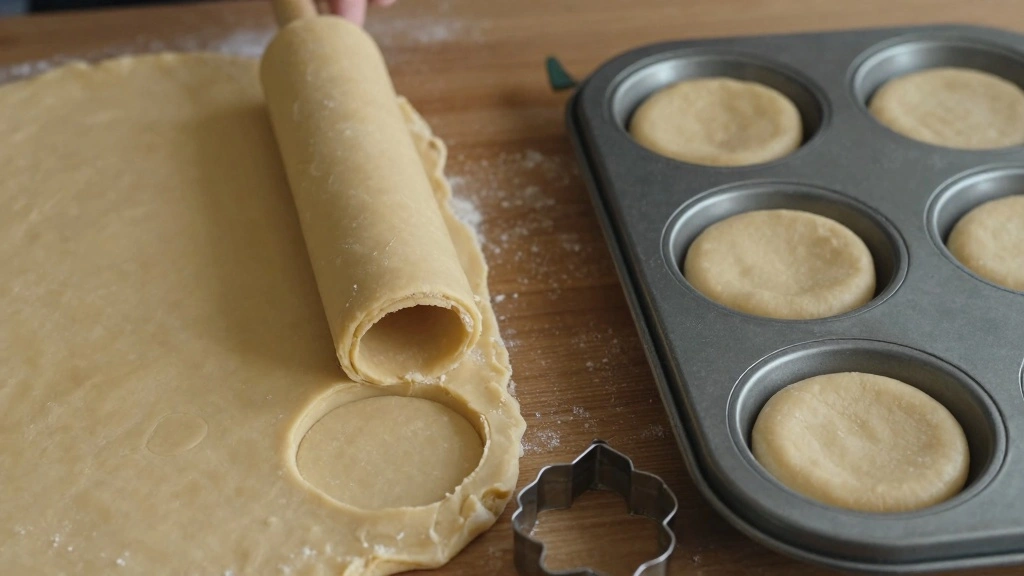
Roll out the dough to about 1/4 inch thickness.
Use a cutter to form circles.
Press half into the muffin tin bases.
Reserve the other half for the tops.
Step 7: Assemble Pies
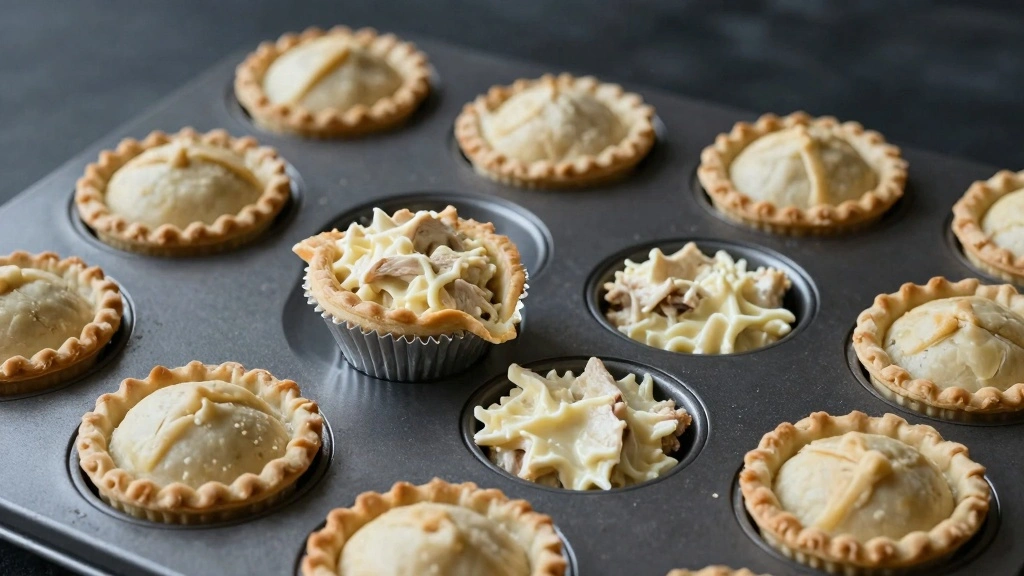
Fill each dough-lined muffin cup with the chicken mixture.
Ensure each cup is almost full but not overflowing.
Place another dough circle on top of each.
Seal edges by pressing gently with a fork.
Step 8: Bake
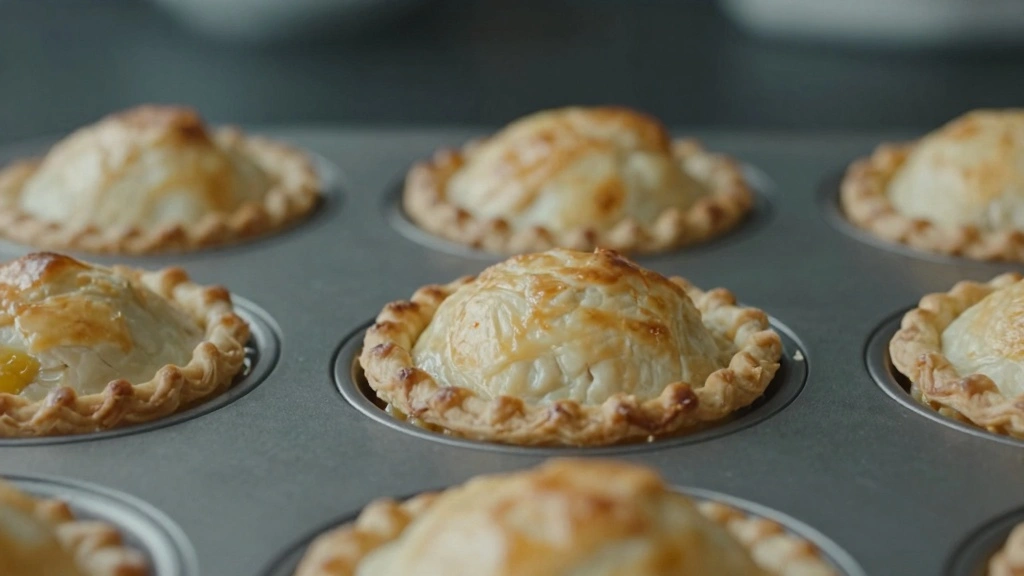
Place the muffin tin in the preheated oven.
Bake for 20-25 minutes until tops are golden brown.
Check for doneness by inserting a toothpick.
Let cool for a few minutes before serving.
Critical Timing and Temperature Guide
Roux Preparation: Cook for 3-5 minutes over medium heat until golden brown, avoid burning by stirring constantly.
Baking Pies: Bake at 375°F (190°C) for 20-25 minutes, ensuring the tops are golden and a toothpick comes out clean.
Vegetable Sautéing: Cook over medium heat until vegetables are just tender but not mushy, about 5-7 minutes.
Pro Tips for Mini Chicken Pot Pies
• Ingredient Selection: Opt for high-quality, organic chicken and fresh vegetables for the best flavor.
• Preparation Secret: Freeze butter before cutting into the dough to achieve a flakier crust.
• Temperature Management: Ensure ingredients, especially butter, remain cold until baking for optimal results.
• Texture Enhancement: Avoid overmixing the biscuit dough to keep it tender.
• Flavor Layering: Use fresh thyme and a dash of nutmeg to add depth to the sauce.
• Make-Ahead Strategies: Prepare filling a day in advance and refrigerate, ensuring flavors meld without compromising freshness.
• Restaurant-Quality Finishing Touches: Brush tops with melted butter before baking for a glossy finish.
• Equipment Optimization: Ensure muffin tin is non-stick or well-greased to prevent sticking.
Troubleshooting Common Issues
• Crust Too Hard: This is often caused by overbaking or too much flour; check biscuits early and reduce baking time if necessary.
• Filling Too Runny: This can occur if the roux is undercooked; ensure the sauce is thickened properly before adding to the filling.
• Undercooked Vegetables: Sauté vegetables until just tender before adding to the filling to prevent them from being underdone.
• Flavors Unbalanced: If the dish tastes bland, ensure salt and herbs are adequately measured; adjust seasoning to taste before baking.
• Biscuits Not Rising: This may result from old baking powder or too much handling; use fresh leavening agents and handle dough gently.
• Sticking to Pan: Insufficient greasing or using a non-nonstick pan can cause sticking; ensure to grease pans well or use parchment.


Variations and Regional Differences
• Southern Style: This version incorporates buttermilk in the biscuit dough for added tanginess and uses okra instead of peas.
• French Inspired: Uses a puff pastry top instead of biscuits and adds leeks and mushrooms for a richer flavor profile.
• Asian Fusion: Incorporates soy sauce and ginger into the filling and uses a thin wonton wrapper as the crust.
• Vegetarian Twist: Omits chicken and uses lentils or chickpeas as the protein source, with a more herbaceous filling.
Food Science Behind the Recipe
• Roux Thickening: The process of cooking flour with butter creates a thickening agent that stabilizes the sauce by gelatinizing starches.
• Butter's Role in Flakiness: Cold butter in the dough creates steam pockets during baking, resulting in a flaky texture.
• Maillard Reaction: The browning of the crust and filling during baking enhances flavor through complex chemical reactions.
Frequently Asked Questions
What's the most common mistake people make when preparing mini chicken pot pies? Overbaking the pies, leading to a hard crust and dry filling.
Can I use store-bought biscuits? Yes, but homemade biscuits offer a more authentic and flavorful result.
How do I prevent the filling from being too runny? Ensure the roux is cooked properly and thickened before adding to the filling.
Can these be made gluten-free? Yes, by using gluten-free flour blends for both the filling and biscuits.
What's the best way to store leftovers? Store in an airtight container in the refrigerator for up to 3 days.
Can I freeze the pot pies? Yes, they freeze well; bake from frozen at 350°F until heated through.
How can I reheat without drying them out? Cover with foil and bake at a lower temperature to retain moisture.
Serving and Presentation Guide
• Traditional Presentation: Serve in the muffin tin for a rustic look, allowing guests to remove their own pies.
• Individual Plates: Place each pie on a small plate with a side of fresh salad or steamed vegetables for a balanced meal.
• Family-Style Platter: Arrange pies on a large platter, garnished with fresh herbs for a communal dining experience.
• Bistro Style: Serve on a wooden board with a small bowl of creamy dipping sauce on the side.


Conclusion
Mini chicken pot pies with biscuits are a delightful way to bring warmth and comfort to your table.
With simple ingredients and straightforward techniques, they are accessible for cooks of all levels.
We invite you to try this recipe and share it with your loved ones, creating cherished memories along the way.