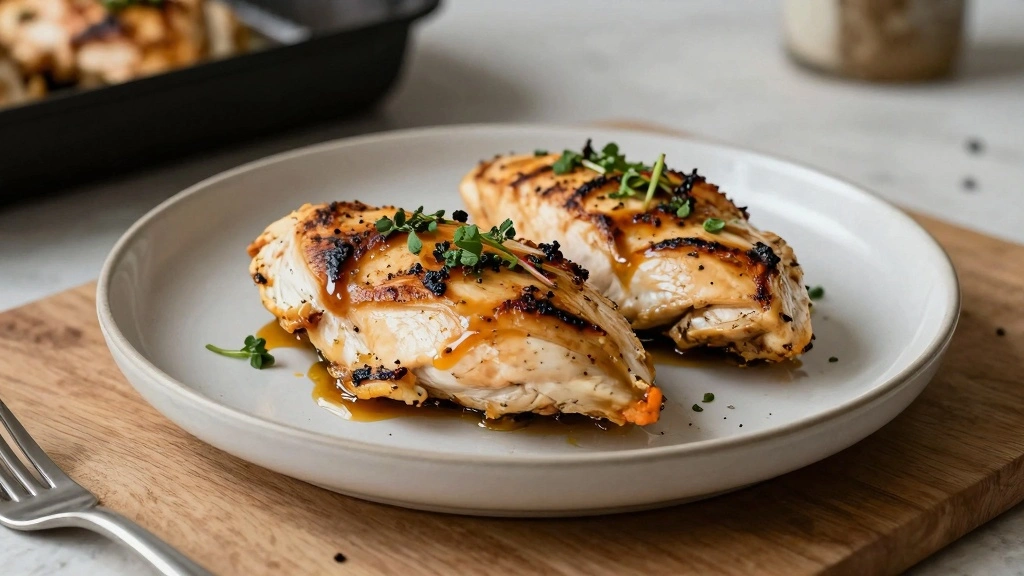
This sheet pan chicken breast recipe is perfect for those days when you want a delicious meal without the hassle of extra dishes.
With its juicy chicken and flavorful vegetables, it offers a delightful harmony of taste and texture.
The ease of preparation makes it a go-to for busy weeknights or casual family dinners.
I first came across this recipe during a hectic week, and it has been a staple in my kitchen ever since.
The beauty of this dish lies in its simplicity and the way it brings out the best in each ingredient.
The History and Cultural Significance
• Sheet Pan Chicken traces its origins to 20th century America, where it was originally created by home cooks seeking convenient meal solutions.
• The dish evolved over decades as convenience became key, eventually becoming the beloved version we know today.
• In American culture, this dish traditionally appears at weeknight dinners, symbolizing simplicity and comfort.
• While many variations exist across different regions, the authentic version maintains the balance of protein and vegetables that sets it apart from imitations.
Recipe Overview
Nutritional Information (per serving)
Essential Equipment Guide
Sheet Pan: A sturdy sheet pan is crucial for even cooking and caramelization. Non-stick or stainless steel pans are ideal. Look for ones with a rim to contain juices.
Oven Thermometer: Ensures your oven is at the correct temperature, avoiding undercooked or overcooked chicken. Digital options offer precision.
Meat Thermometer: Guarantees perfectly cooked chicken by checking the internal temperature. Instant-read types are the best choice.
Ingredients
For the Chicken
|
|
| Amount | Ingredient | Notes |
|---|---|---|
| 4 pieces | chicken breasts | boneless, skinless |
Vegetables
| Amount | Ingredient | Notes |
|---|---|---|
| 2 cups | broccoli florets | fresh |
| 1 cup | carrots | sliced |
| 1 large | red bell pepper | sliced |
Seasonings
| Amount | Ingredient | Notes |
|---|---|---|
| 2 tablespoons | olive oil | adds richness |
| 1 teaspoon | garlic powder | enhances flavor |
| 1 teaspoon | paprika | adds smokiness |
| 1 teaspoon | salt | enhances flavor |
| 1/2 teaspoon | black pepper | adds depth |


Preparation Methods
Marinating: Even a short marinade with olive oil and spices can significantly enhance the chicken's flavor. Allow the chicken to rest for at least 10 minutes with the seasoning.
Even Cutting: Ensures that vegetables cook uniformly. Slice vegetables to similar sizes for consistent results.
Layering: Arrange chicken and vegetables in a single layer to promote even cooking and caramelization.


Step 1: Prepare Ingredients

Gather all ingredients and equipment.
Preheat the oven to 400°F (200°C).
Slice the vegetables into even pieces.
Ensure chicken breasts are patted dry.
Step 2: Season the Chicken
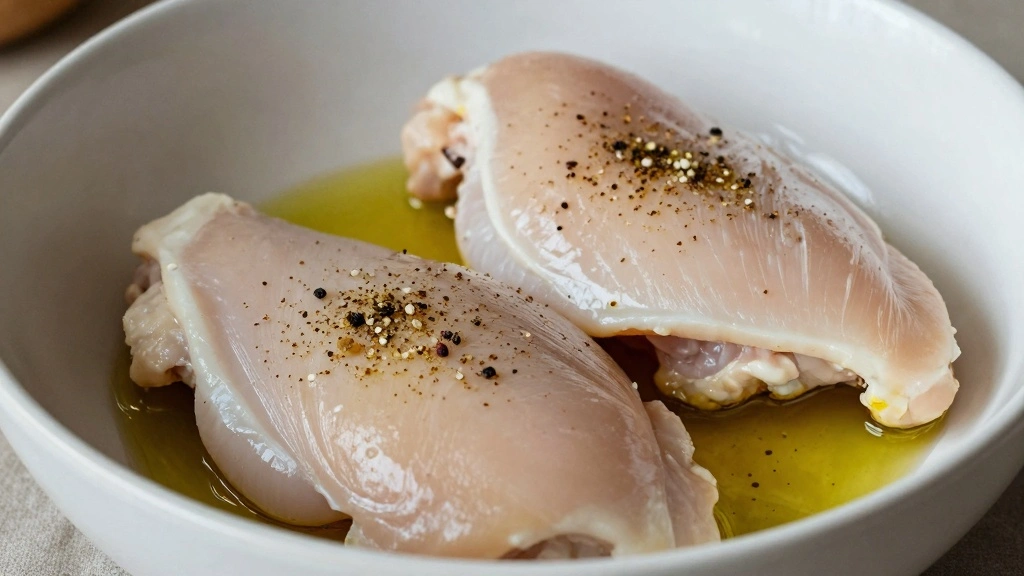
Place chicken breasts in a bowl.
Drizzle with olive oil and sprinkle with garlic powder, paprika, salt, and pepper.
Toss to coat evenly.
Let the chicken marinate for 10 minutes.
Step 3: Arrange on Sheet Pan
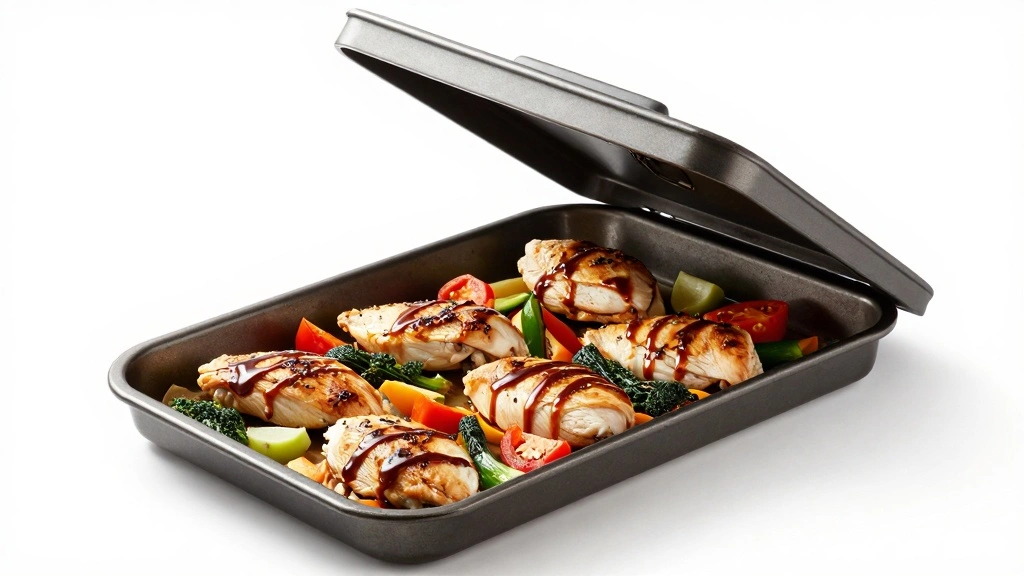
Place chicken breasts on the sheet pan.
Arrange vegetables around the chicken in a single layer.
Drizzle the remaining olive oil over the vegetables.
Sprinkle additional salt and pepper if desired.
Step 4: Roast in the Oven
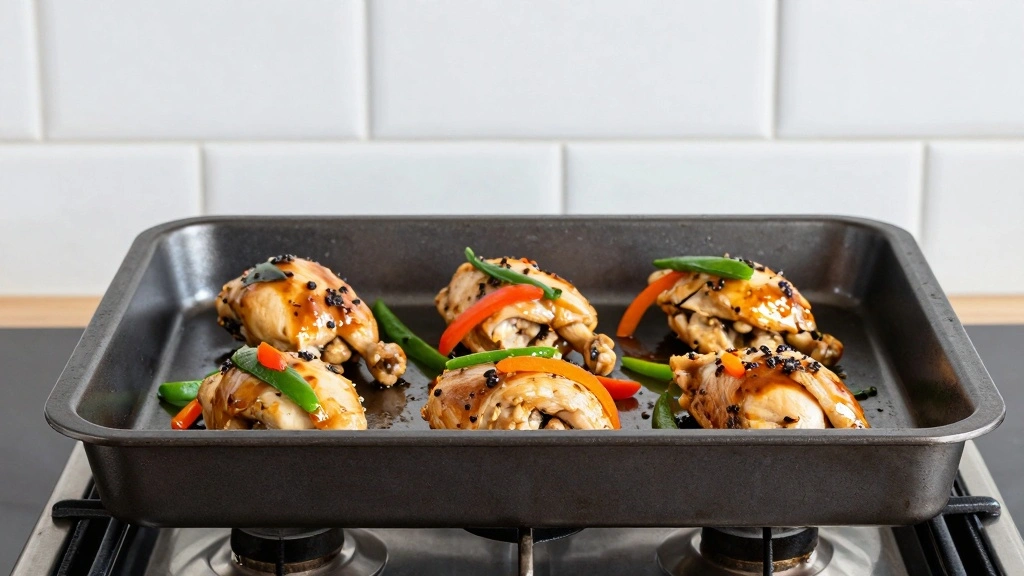
Place the sheet pan in the preheated oven.
Roast for 20 minutes.
Flip the chicken and stir the vegetables halfway through.
Continue roasting until chicken is cooked through.
Step 5: Check for Doneness

Use a meat thermometer to check the chicken's internal temperature.
The chicken should reach 165°F (74°C).
Ensure vegetables are tender and slightly caramelized.
Remove from the oven when done.
Step 6: Rest the Chicken

Transfer chicken breasts to a plate.
Let them rest for 5 minutes to retain juices.
Cover with foil to keep warm.
Ensure vegetables remain on the pan to keep warm.
Step 7: Serve the Dish
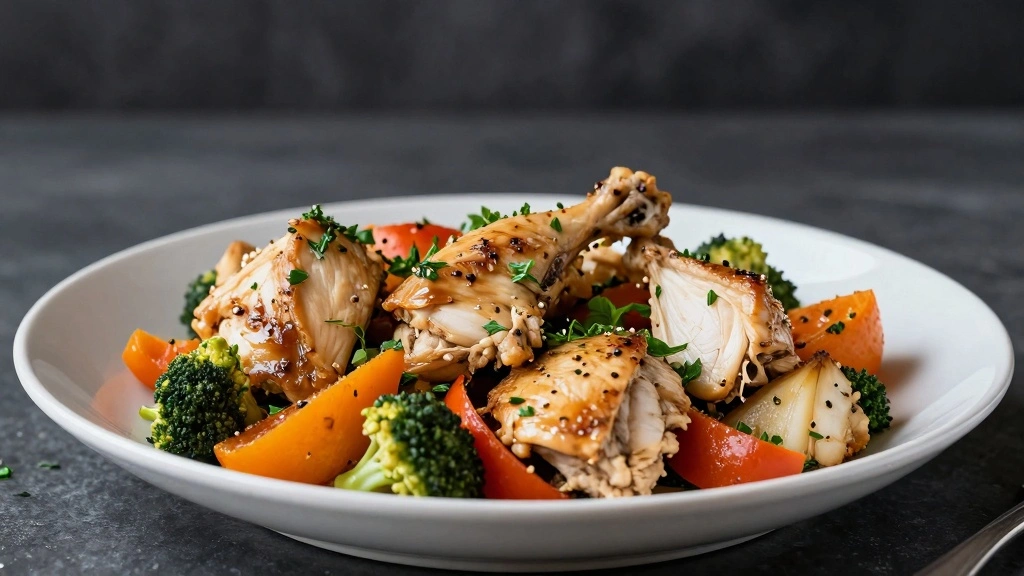
Plate the chicken and vegetables.
Garnish with fresh herbs if desired.
Enjoy your meal immediately.
Serve with a side of your choice.


Critical Timing and Temperature Guide
Roasting: Roast chicken and vegetables at 400°F for 20-25 minutes. Check for caramelization and ensure chicken reaches 165°F internally.
Flipping: Flip chicken and stir vegetables at the 10-minute mark to ensure even cooking and prevent burning.
Resting: Allow chicken to rest for 5 minutes post-roasting to lock in juices, ensuring a moist texture.
Pro Tips for Sheet Pan Chicken
• Ingredient Selection: Opt for organic chicken breasts for superior flavor and tenderness.
• Preparation Secret: Marinate chicken with spices and oil for at least 10 minutes to enhance flavor.
• Temperature Management: Ensure your oven is fully preheated to avoid uneven cooking.
• Texture Enhancement: Use a high-temperature roast for caramelized vegetables and juicy chicken.
• Flavor Layering: Add a squeeze of lemon juice over the finished dish for a bright finish.
• Make-Ahead Strategies: Prep vegetables in advance and store them in an airtight container for up to 2 days.
• Restaurant-Quality Finishing Touches: Garnish with fresh herbs like parsley or cilantro before serving.
• Equipment Optimization: Use parchment paper on the sheet pan for easy cleanup and prevent sticking.
Troubleshooting Common Issues
• Chicken Too Dry: Overcooking is the main cause. Use a meat thermometer to check doneness and prevent drying out.
• Vegetables Undercooked: Ensure even slicing and adequate olive oil. Stir halfway through roasting for uniform cooking.
• Flavors Unbalanced: Adjust seasoning by tasting vegetables and chicken before roasting. Add more spices if needed.
• Sticking to Pan: Use parchment paper or ensure the pan is well-oiled to avoid sticking.
• Uneven Cooking: Ensure ingredients are in a single layer and oven is preheated to the correct temperature.
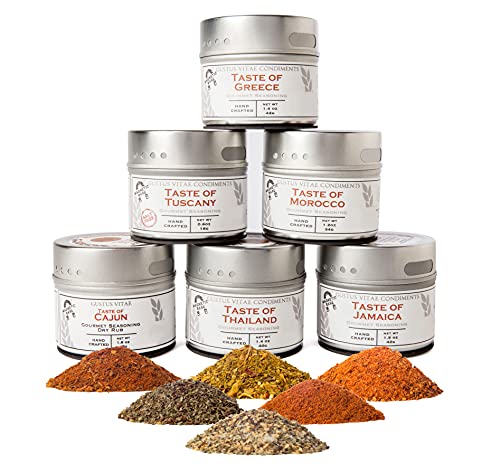

Variations and Regional Differences
• Asian Style: Incorporate soy sauce, ginger, and sesame oil for a savory twist. Replace broccoli with bok choy.
• Italian Style: Use Italian seasoning and cherry tomatoes. Add mozzarella for a cheesy finish.
• Mexican Style: Add cumin and chili powder. Serve with avocado slices and lime wedges.
• Southern Style: Include sweet potatoes and green beans. Add a touch of brown sugar for sweetness.


Food Science Behind the Recipe
• Maillard Reaction: This chemical reaction between amino acids and sugars gives roasted chicken and vegetables their golden-brown color and enhanced flavor.
• Heat Transfer: Convection in the oven ensures even cooking. Proper spacing on the sheet pan allows for optimal air circulation.
• Protein Denaturation: Cooking the chicken to the correct temperature causes proteins to denature, ensuring a tender and juicy texture.
Frequently Asked Questions
What's the most common mistake people make when preparing sheet pan chicken? Overcrowding the pan, which leads to steaming rather than roasting.
Can I use frozen vegetables? Yes, but thaw and pat them dry to prevent excess moisture.
How do I store leftovers? Store in an airtight container in the refrigerator for up to 3 days.
Can I use chicken thighs instead? Yes, adjust cooking time as thighs may take longer to cook.
How can I make this dish spicier? Add red pepper flakes or a diced jalapeño for heat.
What other vegetables work well? Zucchini, cauliflower, and Brussels sprouts are great alternatives.
Is it necessary to marinate the chicken? While not necessary, marinating enhances flavor and tenderness.
Serving and Presentation Guide
• Traditional Presentation: Serve directly from the sheet pan for a rustic, family-style presentation.
• Individual Plates: Arrange chicken and vegetables on plates with a sprinkle of fresh herbs for elegance.
• Garnished Platter: Place all components on a large serving platter, garnished with lemon wedges and herbs.
• Accompanied by Sides: Serve with a side of rice or a fresh salad for a complete meal.
Conclusion
With its minimal cleanup and delicious results, sheet pan chicken breast is a perfect recipe for any occasion.
Whether you're a seasoned cook or new to the kitchen, this dish guarantees satisfaction.
Don't hesitate to try this recipe and enjoy a flavorful meal with your loved ones.